Bottomland Tree Work for Lake City Riverfront Lots
River Proximity Creates Unique Tree Challenges
Properties along the St. Francis River corridor in Lake City contend with bottomland hardwoods that thrive in the moisture-rich soils characteristic of this low-lying area. Cottonwoods, river birch, and various oak species grow aggressively in these conditions, reaching problematic size faster than homeowners often anticipate. Saturated root zones during high-water periods weaken anchorage, and the combination of soft ground and tall, heavy canopies makes these trees especially prone to failure during wind events. Residential lots near the river and throughout the older sections of town carry a higher-than-average risk of storm-related tree damage that demands proactive management.
Protecting Structures From Aging Bottomland Hardwoods
Recent severe weather events have demonstrated how vulnerable Lake City's tree canopy is to the tornadoes and straight-line winds that funnel through eastern Craighead County. Damaged and weakened trees that survived previous storms remain standing throughout neighborhoods, carrying hidden structural defects that reduce their ability to withstand the next event. Leaning trunks, cracked crotches, and root plate displacement are common conditions on properties where storm-damaged trees were never fully assessed after the initial cleanup. Addressing these lingering hazards through proper removal or stabilization protects homes, outbuildings, and neighboring properties from the cascading damage that a secondary failure can produce.
Hazardous Tree Removal
Hazardous tree removal in Lake City often targets storm-damaged specimens that have been standing in compromised condition since the last major weather event. Trees with cracked trunks, displaced root plates, or significant canopy loss may appear stable but carry internal defects that make them unpredictable under load. Removing these trees safely requires careful assessment of their failure potential and rigging strategies that account for weakened wood and shifted weight distribution. Working near the river adds additional considerations around soft ground conditions and access limitations that affect equipment placement and extraction routes.
Storm Damage Trimming and Recovery
Storm damage trimming restores structure and safety to trees that sustained partial canopy loss, broken limbs, or bark stripping during severe weather. Proper restoration pruning removes hanging debris, cleans torn branch stubs back to sound wood, and reshapes the remaining canopy to promote balanced regrowth. This work prevents secondary decay from entering through ragged wound surfaces and reduces the wind resistance that caused the original damage. For Lake City properties where multiple trees sustained damage in the same event, a prioritized approach addresses the most immediate hazards first while scheduling follow-up care for less critical specimens.
Stump Grinding and Site Restoration
Stump grinding and site restoration return Lake City properties to usable condition after tree removals. In the moisture-rich soils near the St. Francis River, untreated stumps attract wood-boring insects, fungal colonization, and volunteer root suckering that can persist for years if left unaddressed. Grinding below grade and backfilling with appropriate material eliminates these issues and prepares the site for landscaping, construction, or simply a clean yard surface. For properties undergoing broader recovery after storm damage, site restoration services address not just stumps but also ground scarring from equipment access, debris staging areas, and displaced soil that needs regrading.
Comprehensive Tree Service Services in Jonesboro
Tailored to Your Needs
From routine maintenance to complex removals and emergency response, our tree service team in Jonesboro handles it all. Every property in Northeast Arkansas has different needs, and we bring the right crew, equipment, and expertise to match. Explore our full range of tree care services below.
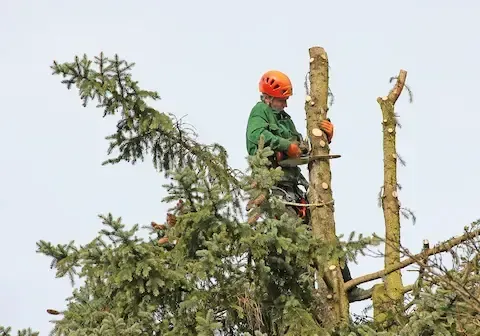
Safe, efficient tree removal for residential and commercial properties across Jonesboro and Northeast Arkansas.
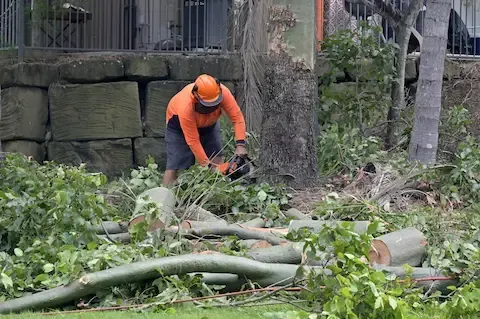
Professional tree trimming that keeps your Jonesboro property healthy, safe, and looking great year-round.
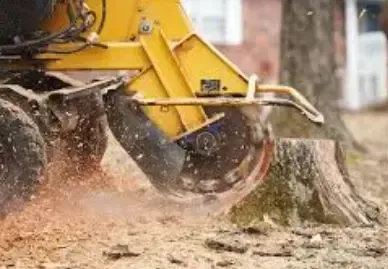
Fast, affordable stump grinding that leaves your Jonesboro yard clean and ready for new landscaping.
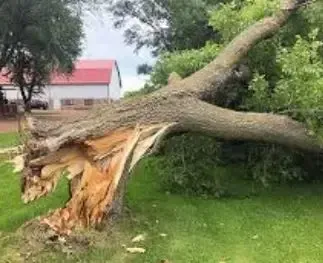
Rapid emergency tree response for storm damage and hazardous situations across Jonesboro and Craighead County.
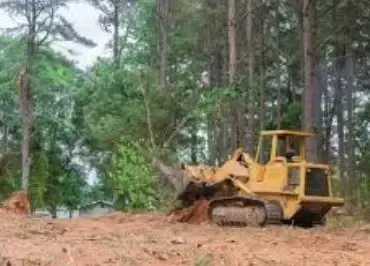
Complete land clearing for residential, commercial, and agricultural properties throughout Jonesboro and Craighead County.
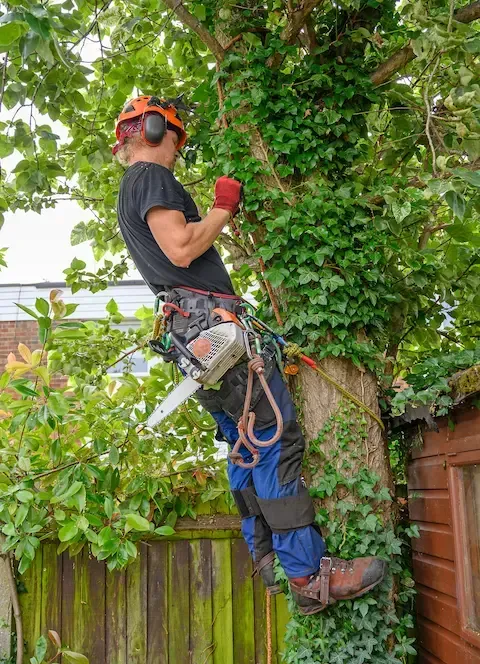
Expert arborist consultations for tree health, risk assessment, and preservation throughout Jonesboro and Northeast Arkansas.
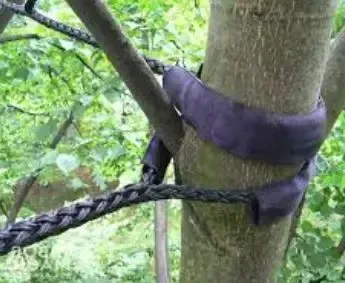
Structural support systems that preserve valuable trees and protect Jonesboro properties from limb failure.
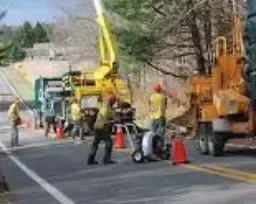
Scheduled tree maintenance and hazard management for commercial properties throughout Jonesboro and Northeast Arkansas.
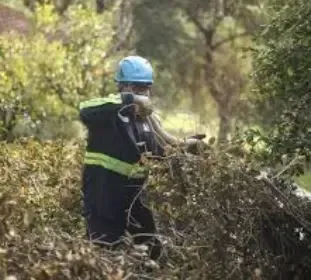
Professional brush clearing that reclaims overgrown properties and restores usable land across Jonesboro and Craighead County.
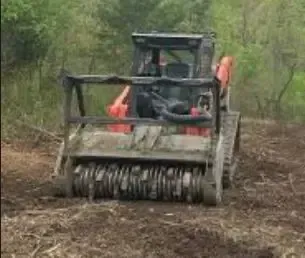
Eco-friendly forestry mulching that clears land efficiently while protecting soil health across Northeast Arkansas.
Frequently Asked Questions
Tree Service can be complex, and we’re here to provide answers to common questions. Here are some frequently asked questions from our clients.
Frequently Asked Questions about Tree Service Jonesboro AR
How much does tree service cost in Jonesboro?
The cost of tree service in Jonesboro depends on several factors including tree size, location on your property, proximity to power lines or structures, and the type of service needed. A simple trimming job on a small tree might run a few hundred dollars, while removing a large oak near your home could cost significantly more. We always provide free on-site estimates because every job in Northeast Arkansas is different. The heavy clay soils here in Craighead County can affect root systems and removal complexity, so we assess each situation individually before quoting a price.
Do I need a permit to remove a tree in Jonesboro?
In most cases, you do not need a permit for basic tree trimming or removal on your own property in Jonesboro. However, if the tree is near a public right-of-way, utility easement, or if your property falls within certain zoning overlay districts, you may need approval from the City of Jonesboro Planning Department. Trees near power lines require coordination with Craighead Electric Cooperative or Entergy Arkansas. We handle all the coordination and can advise you on any local requirements before work begins.
When is the best time to trim trees in Northeast Arkansas?
The best time for tree trimming in Jonesboro is during the dormant season, typically late fall through early spring. Trimming during winter months reduces stress on the tree and minimizes the risk of disease transmission. That said, dead or hazardous branches should be removed immediately regardless of season. For storm preparation in Northeast Arkansas, we recommend scheduling trimming before our severe weather season kicks in around March to reduce the risk of limb failure during spring storms and summer thunderstorms.
How do I know if a tree on my property is dangerous?
Signs that a tree needs professional attention include visible dead branches, mushroom growth at the base, cracks or splits in the trunk, leaning that has progressed over time, and root damage from construction or soil erosion. In Jonesboro, our clay-heavy soils can cause root heaving during wet seasons, which destabilizes mature trees. If you notice any of these warning signs, especially after a storm, it is worth having a professional assessment done before the situation becomes an emergency.
Are your tree service crews licensed and insured?
Yes, we carry full liability insurance and workers compensation coverage for every crew member. Tree work is inherently dangerous, and working with an uninsured company puts your property and finances at serious risk. If an uninsured worker is injured on your property, you could be held liable. We are happy to provide proof of insurance before any job begins. We also coordinate with local utility providers when working near power lines to ensure safe operations throughout Jonesboro and Northeast Arkansas.
What happens to the stump after tree removal?
After a tree is removed, you have a few options for the stump. We can grind it down below ground level, which is the most common and cost-effective approach. The wood chips left behind can be used as mulch or we can haul them away and backfill with topsoil. In Jonesboro's clay soil, we typically recommend grinding at least eight to ten inches below grade to allow for proper settling and future landscaping. If you plan to replant in the same spot, we can grind deeper and amend the soil to give your new tree the best start.
Need Tree Service?
What Our Satisfied Clients Have to Say About Jonesboro Tree Pros
We pride ourselves on delivering great results and experiences for each client. Hear directly from home and business owners who’ve trusted us with their Tree Service needs.

They took down two large oaks that were leaning toward our roof. Professional crew, fair price, and they left our yard cleaner than they found it. Will definitely call them again for any tree work.
— Jonesboro Homeowner
After the last big storm knocked a tree onto our fence, they were out the next morning. Fast response, careful work around the power lines, and they handled everything with our insurance company. Highly recommend.
— Craighead County Property Owner
We use them for all the tree maintenance on our commercial property. They work around our business hours, keep the grounds looking sharp, and their pricing has always been straightforward. Great company to work with.
— Jonesboro Business Owner
The Trusted Tree Service Expert Near You
Ready to hear more about expert services at Jonesboro Tree Pros?
Contact us today to receive a detailed, no-obligation quote.

Serving Jonesboro & the surrounding cities
Mon-Fri, 8am-5pm