
Rural Property Tree Service for Bay Landowners
Managing Trees on Open Acreage and Farm Properties
Properties around Bay sit on the flat alluvial plain east of Crowley's Ridge where fertile bottomland soils produce fast-growing hardwoods and volunteer timber along fence rows, drainage ditches, and field edges. Left unmanaged, these trees crowd into utility lines, block equipment access, and send root systems into drainage infrastructure that keeps the surrounding land functional during wet seasons. Homeowners on larger rural lots deal with a different scale of tree maintenance than suburban neighborhoods, often managing dozens of trees spread across multiple acres where each one has the potential to create problems if it fails during a storm.
Storm Readiness for Exposed Rural Canopies
Wind exposure on the open terrain surrounding Bay means individual yard trees and fence-row timber absorb storm energy without the buffering effect of surrounding structures or dense stands. Ice accumulation during winter events loads branches beyond their structural limits, and the saturated alluvial soils that characterize this area loosen root anchoring during prolonged wet periods. The combination produces a higher rate of whole-tree failure and major limb breakage than properties in more sheltered settings experience. Proactive trimming, hazard removal, and regular canopy maintenance keep these risks manageable and prevent one storm from turning a shade tree into a structural threat.
Tree Removal for Rural Properties
Removing trees on Bay's larger lots and rural parcels often means working around outbuildings, fencing, and agricultural infrastructure that cannot be easily moved or replaced. Many removals target volunteer hardwoods that seeded along fence lines or drainage channels decades ago and have grown to a size where they now threaten the structures and equipment nearby. Open-yard removals on flat ground can often proceed with a straight fell when clearance allows, while trees near buildings or power lines require sectional rigging to maintain full control of every piece coming down. Complete debris removal and site cleanup are part of every job regardless of the approach used.
Trimming and Storm Preparation
Trimming services in Bay focus on reducing storm vulnerability across properties where trees face sustained wind exposure with minimal natural protection. Canopy weight reduction removes the heavy outer growth that catches wind and ice, lowering the mechanical stress on branch unions and trunk structures during severe weather. Deadwood removal eliminates the brittle material most likely to break loose and damage roofing, vehicles, or fencing during a storm event. For properties along roadways and field access points, trimming also maintains safe clearance for vehicles and farm equipment that pass under low-hanging branches throughout the year.
Land Clearing and Fence Row Maintenance
Land clearing and fence row maintenance address the overgrowth that steadily encroaches on usable acreage across Bay's agricultural and residential properties. Volunteer trees, brush, and vine growth along fence lines damage wire and post structures while creating cover for pests and reducing airflow across adjacent fields and yards. Clearing these areas restores boundary visibility, protects fencing investments, and opens up land for productive use. For undeveloped parcels being prepared for construction or agricultural conversion, full land clearing removes all standing timber, stumps, and brush to deliver a clean, grade-ready surface.
Comprehensive Tree Service Services in Jonesboro
Tailored to Your Needs
From routine maintenance to complex removals and emergency response, our tree service team in Jonesboro handles it all. Every property in Northeast Arkansas has different needs, and we bring the right crew, equipment, and expertise to match. Explore our full range of tree care services below.
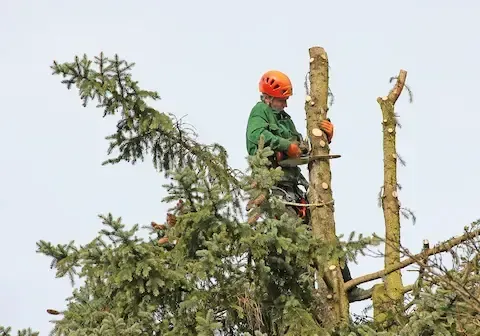
Safe, efficient tree removal for residential and commercial properties across Jonesboro and Northeast Arkansas.
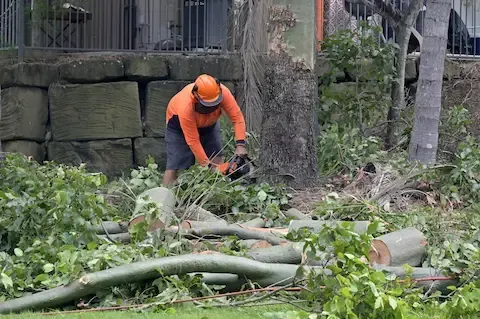
Professional tree trimming that keeps your Jonesboro property healthy, safe, and looking great year-round.
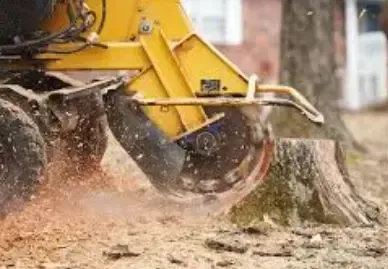
Fast, affordable stump grinding that leaves your Jonesboro yard clean and ready for new landscaping.
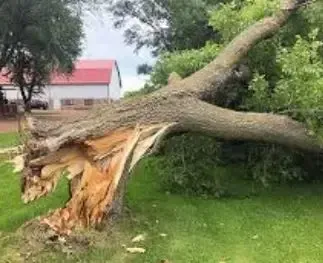
Rapid emergency tree response for storm damage and hazardous situations across Jonesboro and Craighead County.
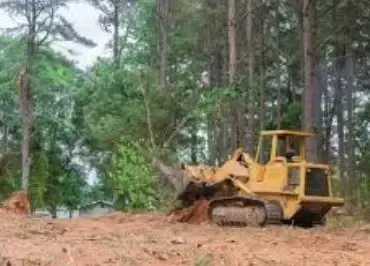
Complete land clearing for residential, commercial, and agricultural properties throughout Jonesboro and Craighead County.
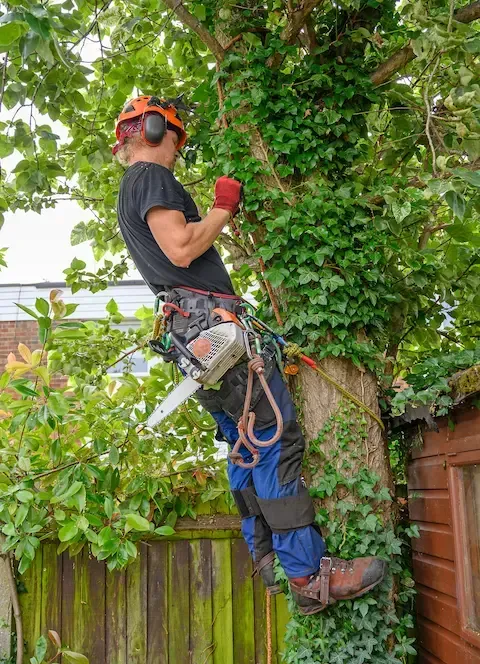
Expert arborist consultations for tree health, risk assessment, and preservation throughout Jonesboro and Northeast Arkansas.
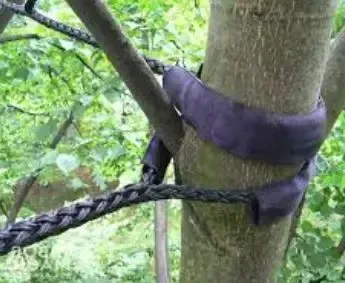
Structural support systems that preserve valuable trees and protect Jonesboro properties from limb failure.
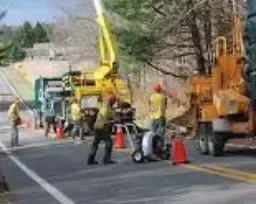
Scheduled tree maintenance and hazard management for commercial properties throughout Jonesboro and Northeast Arkansas.
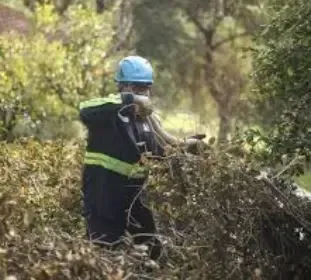
Professional brush clearing that reclaims overgrown properties and restores usable land across Jonesboro and Craighead County.
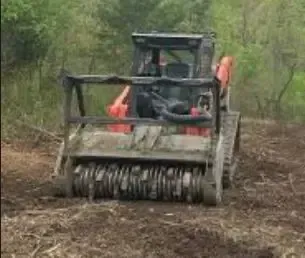
Eco-friendly forestry mulching that clears land efficiently while protecting soil health across Northeast Arkansas.
Frequently Asked Questions
Tree Service can be complex, and we’re here to provide answers to common questions. Here are some frequently asked questions from our clients.
Frequently Asked Questions about Tree Service Jonesboro AR
How much does tree service cost in Jonesboro?
The cost of tree service in Jonesboro depends on several factors including tree size, location on your property, proximity to power lines or structures, and the type of service needed. A simple trimming job on a small tree might run a few hundred dollars, while removing a large oak near your home could cost significantly more. We always provide free on-site estimates because every job in Northeast Arkansas is different. The heavy clay soils here in Craighead County can affect root systems and removal complexity, so we assess each situation individually before quoting a price.
Do I need a permit to remove a tree in Jonesboro?
In most cases, you do not need a permit for basic tree trimming or removal on your own property in Jonesboro. However, if the tree is near a public right-of-way, utility easement, or if your property falls within certain zoning overlay districts, you may need approval from the City of Jonesboro Planning Department. Trees near power lines require coordination with Craighead Electric Cooperative or Entergy Arkansas. We handle all the coordination and can advise you on any local requirements before work begins.
When is the best time to trim trees in Northeast Arkansas?
The best time for tree trimming in Jonesboro is during the dormant season, typically late fall through early spring. Trimming during winter months reduces stress on the tree and minimizes the risk of disease transmission. That said, dead or hazardous branches should be removed immediately regardless of season. For storm preparation in Northeast Arkansas, we recommend scheduling trimming before our severe weather season kicks in around March to reduce the risk of limb failure during spring storms and summer thunderstorms.
How do I know if a tree on my property is dangerous?
Signs that a tree needs professional attention include visible dead branches, mushroom growth at the base, cracks or splits in the trunk, leaning that has progressed over time, and root damage from construction or soil erosion. In Jonesboro, our clay-heavy soils can cause root heaving during wet seasons, which destabilizes mature trees. If you notice any of these warning signs, especially after a storm, it is worth having a professional assessment done before the situation becomes an emergency.
Are your tree service crews licensed and insured?
Yes, we carry full liability insurance and workers compensation coverage for every crew member. Tree work is inherently dangerous, and working with an uninsured company puts your property and finances at serious risk. If an uninsured worker is injured on your property, you could be held liable. We are happy to provide proof of insurance before any job begins. We also coordinate with local utility providers when working near power lines to ensure safe operations throughout Jonesboro and Northeast Arkansas.
What happens to the stump after tree removal?
After a tree is removed, you have a few options for the stump. We can grind it down below ground level, which is the most common and cost-effective approach. The wood chips left behind can be used as mulch or we can haul them away and backfill with topsoil. In Jonesboro's clay soil, we typically recommend grinding at least eight to ten inches below grade to allow for proper settling and future landscaping. If you plan to replant in the same spot, we can grind deeper and amend the soil to give your new tree the best start.
Need Tree Service?
What Our Satisfied Clients Have to Say About Jonesboro Tree Pros
We pride ourselves on delivering great results and experiences for each client. Hear directly from home and business owners who’ve trusted us with their Tree Service needs.

They took down two large oaks that were leaning toward our roof. Professional crew, fair price, and they left our yard cleaner than they found it. Will definitely call them again for any tree work.
— Jonesboro Homeowner
After the last big storm knocked a tree onto our fence, they were out the next morning. Fast response, careful work around the power lines, and they handled everything with our insurance company. Highly recommend.
— Craighead County Property Owner
We use them for all the tree maintenance on our commercial property. They work around our business hours, keep the grounds looking sharp, and their pricing has always been straightforward. Great company to work with.
— Jonesboro Business Owner
The Trusted Tree Service Expert Near You
Ready to hear more about expert services at Jonesboro Tree Pros?
Contact us today to receive a detailed, no-obligation quote.

Serving Jonesboro & the surrounding cities
Mon-Fri, 8am-5pm