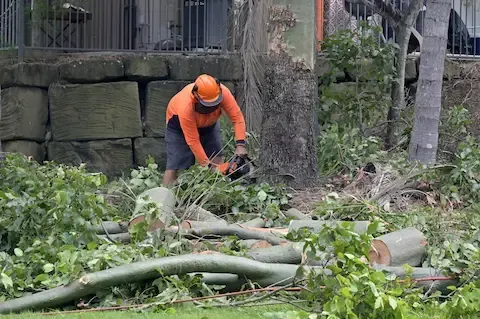
Trimming vs. Pruning Trees in Jonesboro: Key Differences
Tree trimming and pruning serve different purposes and require distinct techniques. Trimming removes overgrowth to maintain shape and appearance, typically done seasonally for aesthetic reasons. Pruning involves selective removal of diseased, damaged, or structurally problematic branches to promote tree health and safety. Understanding this difference prevents damage to your Jonesboro trees and ensures proper care throughout Arkansas's growing seasons.
What exactly is tree trimming?
Tree trimming focuses on maintaining your tree's appearance and controlling its size. This process involves cutting back overgrown branches, shaping the canopy, and removing excess foliage that may obstruct views or interfere with structures. Trimming typically addresses the outer portions of branches and aims to create a uniform, aesthetically pleasing shape.
Most Jonesboro homeowners schedule trimming for cosmetic reasons. You might trim hedges along your property line, shape ornamental trees in your front yard, or reduce the height of trees that have grown too close to power lines. The timing for trimming often depends on your landscape maintenance schedule rather than the tree's biological needs.
Trimming tools include hedge shears, pole saws, and chainsaws for larger branches. The cuts are generally made to achieve a desired shape rather than following the tree's natural growth patterns. This approach works well for maintaining formal landscapes and ensuring trees fit within designated spaces around your Jonesboro property.
How does pruning differ from trimming?
Pruning represents a more scientific approach to tree care, focusing on the plant's health and structural integrity. This process involves selective removal of specific branches based on their condition, location, and impact on overall tree health. Pruning cuts are made at precise locations to promote proper healing and encourage healthy new growth.
Professional arborists in Jonesboro use pruning to address diseased branches, remove dead wood, eliminate crossing or rubbing branches, and improve air circulation through the canopy. Tree Trimming services often include pruning techniques to ensure comprehensive tree care that goes beyond mere appearance.
Pruning requires understanding tree biology, proper cut placement, and timing based on species-specific growth cycles. The goal is to work with the tree's natural growth patterns rather than against them. Each cut serves a specific purpose in promoting long-term tree health and structural stability.
When should you choose trimming over pruning?
Choose trimming when your primary concern is maintaining a specific appearance or controlling size. This approach works well for ornamental trees, hedges, and situations where you need to maintain clearance from buildings or utilities. Trimming is often performed more frequently than pruning, sometimes multiple times per growing season.
Trimming suits formal landscapes where uniform shapes and controlled growth are priorities. If you have topiary work, privacy hedges, or decorative trees that need regular shaping, trimming provides the frequent maintenance these features require. The focus remains on external appearance rather than internal tree health.
Consider trimming for young trees that need initial shaping or established trees that have grown beyond their intended space. However, understand that frequent heavy trimming can stress trees and compromise their long-term health if not balanced with proper pruning techniques.
When is pruning the better choice for your trees?
Pruning becomes essential when addressing tree health issues, safety concerns, or structural problems. If you notice diseased branches, dead wood, or signs of pest infestation, pruning techniques will target these specific issues while preserving healthy portions of the tree.
Safety situations require pruning expertise, especially when dealing with storm-damaged trees or branches that pose risks to people or property. Arkansas weather patterns, including ice storms and severe thunderstorms common in the Jonesboro area, often create situations where strategic pruning prevents further damage.
Mature trees benefit most from pruning approaches that respect their natural growth habits and promote longevity. best timing for spring tree trimming in Jonesboro often incorporates pruning principles to ensure cuts promote healthy spring growth rather than just maintaining appearance.
What are the long-term consequences of each approach?
Excessive trimming can weaken trees over time, especially when cuts are made without regard for proper healing or natural growth patterns. Trees subjected to frequent heavy trimming may develop weak branch attachments, increased susceptibility to disease, and reduced lifespan. The stress from repeated cutting can compromise the tree's ability to defend against pests and environmental challenges.
Proper pruning, when done correctly and at appropriate intervals, strengthens trees and extends their healthy lifespan. Well-pruned trees develop better structure, resist storm damage more effectively, and maintain their natural beauty while addressing health concerns. The selective nature of pruning preserves the tree's energy reserves and promotes sustainable growth.
Understanding these long-term impacts helps Jonesboro property owners make informed decisions about tree care. While trimming may provide immediate aesthetic results, combining it with proper pruning techniques ensures your trees remain healthy assets to your property for decades.
How do soil and climate conditions in Jonesboro affect your choice?
Northeast Arkansas's clay soils and humid subtropical climate influence how trees respond to cutting. The region's wet winters and hot summers create specific stress periods when trees are more vulnerable to improper cuts. Timing your tree care to work with these natural cycles improves results regardless of whether you choose trimming or pruning approaches.
Local tree species common in Jonesboro, including native oaks, maples, and pines, have different responses to cutting techniques. Some species compartmentalize wounds better than others, affecting how well they recover from various cutting approaches. Understanding these species-specific traits helps determine whether trimming or pruning better serves your particular trees.
The urban environment in Jonesboro adds additional factors, including air pollution, soil compaction, and limited root space. These stresses make proper cutting techniques even more critical for maintaining tree health in city and suburban settings.
