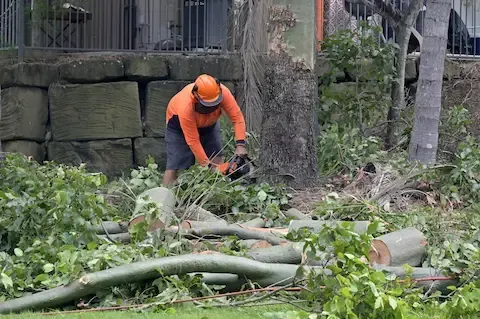
Spring Tree Trimming in Jonesboro, AR: Tips & Timing
Spring brings renewed growth and the perfect opportunity to assess your trees' health and structure in Jonesboro, Arkansas. With the city's humid subtropical climate and frequent storm activity, proper timing for tree trimming can mean the difference between healthy, resilient trees and costly damage down the road. Understanding which trees benefit from spring pruning and which should wait until dormancy helps property owners make informed decisions about their landscape investment.
Optimal Spring Trimming Window in Jonesboro
The ideal spring trimming period in Jonesboro typically falls between late February and early April, before the intense heat and humidity of summer arrive. During this window, trees are emerging from dormancy but haven't yet put all their energy into new leaf production. This timing allows trees to heal quickly while directing energy toward healthy new growth patterns.
Jonesboro's location in northeastern Arkansas means occasional late freezes can occur through mid-March, so monitoring weather forecasts becomes crucial. Trimming too early during a cold snap can stress trees, while waiting too long into spring means competing with the tree's natural growth surge. Professional arborists in the area often schedule spring work based on soil temperature and bud development rather than calendar dates alone.
The key advantage of spring trimming lies in visibility. Without full foliage, you can clearly see the tree's structure, identify dead or damaged branches, and make strategic cuts that will benefit the tree's long-term health. This clarity becomes especially valuable for Tree Trimming services working on mature hardwoods common throughout Jonesboro neighborhoods.
Trees That Benefit From Spring Pruning
Certain tree species respond exceptionally well to spring trimming in Jonesboro's climate. Oak trees, which dominate many local landscapes, should ideally be pruned during their dormant season extending into early spring. This timing helps prevent oak wilt, a serious fungal disease that spreads through fresh cuts during warm weather when beetles are active.
Maple trees also benefit from early spring pruning, though timing requires precision. These trees begin sap flow early in the season, so trimming should occur before buds swell to minimize sap loss. While the sap flow looks concerning, it rarely harms the tree's health when cuts are made properly.
Elm trees, both native and cultivated varieties found throughout Jonesboro, respond well to spring pruning. However, any elm trimming must be completed before April to reduce the risk of Dutch elm disease transmission. The beetles that spread this devastating disease become active as temperatures warm, making early spring the only safe window for elm maintenance.
Fruit trees require different considerations. Stone fruits like peaches and plums, popular in many Jonesboro gardens, benefit from late winter to early spring pruning. This timing promotes good air circulation and sunlight penetration, reducing disease pressure during the humid Arkansas growing season.
Species to Avoid Trimming in Spring
Several tree types should not be pruned during spring months in Jonesboro. Birch trees, while less common locally, are heavy bleeders that lose substantial sap when cut during spring sap flow. This stress can weaken the tree and create entry points for pests and diseases.
Flowering trees present a timing dilemma. Spring-flowering species like dogwood, redbud, and ornamental cherries should not be pruned in spring if you want to preserve the current year's blooms. These trees form their flower buds the previous summer, so spring pruning removes the display you've been anticipating all winter.
Walnut and butternut trees should never be trimmed during spring in Arkansas. These species are extremely susceptible to a bacterial infection called thousand cankers disease, which spreads more readily through fresh wounds during active growing periods. Fall and winter pruning significantly reduces this risk.
Weather Considerations for Jonesboro Tree Care
Jonesboro's spring weather patterns significantly impact tree trimming success. The city experiences an average of 45 inches of annual rainfall, with spring often bringing intense thunderstorms. Scheduling trimming work requires monitoring extended forecasts to ensure fresh cuts have time to begin healing before heavy rain arrives.
High humidity levels throughout spring can slow the healing process for pruning cuts. This extended vulnerability period makes proper cutting technique and wound care even more critical. Clean, sharp tools and appropriate cut placement become essential for preventing fungal infections that thrive in humid conditions.
Late spring freezes, while less common, can damage freshly pruned trees. New growth stimulated by pruning is particularly susceptible to cold damage. Professional tree services in Jonesboro often recommend waiting until soil temperatures consistently stay above 40 degrees Fahrenheit before major pruning work.
Wind patterns during spring storms can reveal structural weaknesses in trees. Properties that experienced winter ice storms or high winds often need assessment and corrective pruning to address damage before the growing season adds weight and wind resistance to compromised branches.
Professional vs. DIY Spring Trimming
While homeowners can handle minor pruning tasks like removing small dead branches or light shaping, spring trimming often reveals issues requiring professional expertise. Structural problems, large limb removal, and work near power lines demand specialized knowledge and equipment that most property owners don't possess.
Professional arborists bring species-specific knowledge crucial for spring trimming decisions. They understand which trees can handle aggressive pruning and which require conservative approaches. This expertise becomes particularly valuable when dealing with the full range of tree trimming options in Jonesboro available to property owners.
Insurance considerations also favor professional services for significant tree work. Many homeowner policies don't cover damage caused by improper tree maintenance, and spring trimming mistakes can lead to summer storm damage when compromised trees fail under wind and rain stress.
Licensed tree care professionals understand local regulations regarding tree removal and trimming, particularly important in Jonesboro's established neighborhoods where tree preservation ordinances may apply. They also carry proper insurance and know how to work safely around utilities and structures.
Long-term Benefits of Proper Spring Timing
Correct spring trimming timing sets trees up for successful growing seasons and long-term health. Trees pruned at the right time direct energy efficiently toward new growth rather than healing wounds, resulting in stronger branch structure and better storm resistance.
Proper spring pruning also improves air circulation through the canopy, reducing disease pressure during Jonesboro's humid summers. This improved airflow helps prevent fungal issues that can devastate trees during the peak growing season.
The investment in professional spring tree care pays dividends in reduced maintenance needs and lower risk of storm damage. Well-maintained trees add significant value to Jonesboro properties while providing energy savings through strategic shade placement and wind protection.
