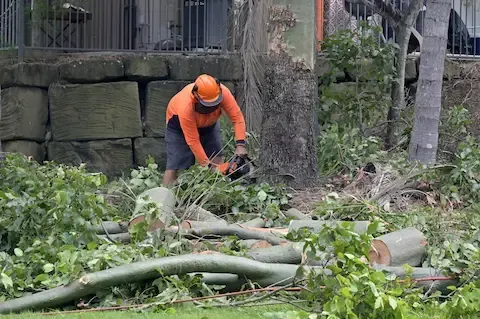
Tree Trimming in Jonesboro, AR: Timing, Cost and Types
Tree trimming stands as one of the most essential maintenance practices for Jonesboro homeowners who want healthy, attractive trees that enhance property value while minimizing safety risks. With Arkansas's humid subtropical climate creating unique growing conditions, understanding when and how to trim your trees becomes crucial for their long-term health and your family's safety.
Professional tree trimming involves much more than simply cutting branches. It requires knowledge of tree biology, proper timing based on species and season, and techniques that promote healthy growth while removing potential hazards. Whether you're dealing with fast-growing water oaks common in Jonesboro neighborhoods or managing fruit trees in your backyard, the right approach to trimming can extend your trees' lifespan and prevent costly problems down the road.
The investment in professional tree trimming pays dividends through reduced storm damage, improved tree health, enhanced curb appeal, and protection of your property's structures. Understanding the costs, timing, and methods involved helps you make informed decisions about maintaining your landscape's most valuable assets.
Optimal Timing for Tree Trimming in Arkansas
Arkansas's climate creates specific windows when tree trimming produces the best results while minimizing stress on your trees. Late winter, typically February through early March, represents the ideal time for most species because trees remain dormant and won't waste energy healing cuts during active growing periods.
Deciduous trees like maples, oaks, and hickories benefit from dormant season trimming because you can easily see their branch structure without leaves obscuring problem areas. The cooler temperatures also reduce the risk of attracting insects that might introduce diseases through fresh cuts.
However, certain species require different timing considerations. Oak trees should never be trimmed between April and June due to oak wilt disease risk, while fruit trees benefit from late winter pruning to encourage spring flowering and fruit production. Evergreen species like pine and cedar can handle trimming throughout the year, though late winter still provides optimal results.
Emergency trimming situations override seasonal considerations. Storm-damaged branches, diseased limbs, or hazardous overhangs require immediate attention regardless of timing to prevent property damage or safety hazards.
Summer trimming, while not ideal for tree health, can be necessary for visibility around power lines or to address storm damage. When summer trimming becomes unavoidable, professional arborists use techniques that minimize stress and water loss.
Understanding Tree Trimming Costs in Jonesboro
What drives tree removal costs in Jonesboro? Tree trimming costs in Jonesboro vary significantly based on multiple factors, with most homeowners investing between $300 and $1,500 per tree for professional services. Small trees under 25 feet typically cost $250 to $500 to trim, while medium trees ranging from 25 to 50 feet usually require $500 to $900 for comprehensive trimming.
Large trees exceeding 50 feet present the highest costs, often ranging from $900 to $2,000 or more, depending on complexity and accessibility. Trees near power lines, buildings, or other structures increase costs due to additional safety precautions and specialized equipment requirements.
Several factors influence the final cost of tree trimming services. Tree species affects pricing because hardwoods like oak require more effort to cut than softer woods. The number of branches needing removal, overall tree health, and accessibility all impact labor time and equipment needs.
Location within your property significantly affects costs. Trees easily accessible from the street cost less to service than those requiring equipment to be moved through narrow spaces or over landscaping. If crane access becomes necessary, expect costs to increase substantially.
Additional services often bundled with trimming include debris removal, stump grinding for removed limbs, and cleanup services. Most professional companies include basic cleanup in their pricing, but extensive debris removal or chipping services may incur additional charges.
Seasonal demand also influences pricing. Spring scheduling, when everyone wants tree work completed, typically costs more than off-season services. Booking trimming services during late fall or winter often results in better pricing and more flexible scheduling options.
Types and Methods of Tree Trimming
Professional tree trimming encompasses several distinct techniques, each serving specific purposes and requiring different skill levels. Crown cleaning represents the most common method, involving removal of dead, diseased, or weakly attached branches throughout the tree's canopy to improve overall health and appearance.
Crown thinning selectively removes branches to increase light penetration and air circulation through the canopy. This method proves particularly beneficial for dense trees that cast excessive shade or experience disease pressure from poor air circulation. Proper thinning maintains the tree's natural shape while reducing wind resistance.
Crown raising involves removing lower branches to provide clearance over walkways, driveways, buildings, or other structures. This technique requires careful consideration because removing too many lower branches can stress the tree and affect its stability during storms.
Crown reduction reduces the overall size of the tree by cutting back the leading branches to lateral branches large enough to assume the terminal role. This method works well for trees that have outgrown their space but should only be performed by experienced professionals to avoid creating weak branch attachments.
Structural pruning focuses on young trees, establishing proper branch spacing and removing competing leaders to create strong, well-balanced trees. This investment in early tree development prevents many problems that would require expensive corrective measures later.
Deadwooding specifically targets dead, dying, or diseased branches that pose safety risks or harbor pests and diseases. Regular deadwooding extends tree life and reduces the risk of branch failure during storms common in Arkansas.
Common Tree Trimming Situations and Solutions
Storm damage represents one of the most frequent reasons Jonesboro residents need tree trimming services. Arkansas weather patterns, including severe thunderstorms, ice storms, and occasional tornadoes, regularly damage trees throughout the region. Professional assessment after storms helps identify which branches require immediate removal and which can be saved with proper care.
Overgrown trees touching power lines create serious safety hazards that require immediate professional attention. Never attempt to trim branches near power lines yourself, as this work requires specialized training and equipment to perform safely. Utility companies and certified arborists coordinate to address these situations properly.
Trees interfering with structures like roofs, gutters, or siding need strategic trimming to prevent ongoing damage while maintaining tree health. Regular maintenance trimming prevents these conflicts from developing into expensive problems requiring emergency services.
Disease management often requires selective branch removal to prevent spread throughout the tree or to neighboring trees. Fungal diseases, bacterial infections, and pest infestations sometimes necessitate aggressive trimming to save the tree's overall health.
View restoration involves carefully removing specific branches to open sight lines while maintaining tree health and appearance. This work requires artistic skill combined with horticultural knowledge to achieve desired results without compromising tree structure.
Property line conflicts between neighbors sometimes require diplomatic trimming solutions that address concerns while respecting property rights and tree health. Professional arborists often help mediate these situations with solutions benefiting all parties.
Practical Considerations for Jonesboro Homeowners
Selecting qualified tree trimming professionals requires careful evaluation of credentials, insurance coverage, and local experience. Look for certified arborists through the International Society of Arboriculture, as this certification demonstrates knowledge of proper tree care techniques and safety procedures.
Insurance verification protects you from liability if accidents occur during tree work. Reputable companies carry both general liability insurance and workers' compensation coverage, providing documentation upon request. Never work with uninsured contractors for tree trimming services.
Getting multiple quotes helps you understand fair pricing for your specific situation while allowing you to evaluate different approaches to your tree care needs. Extremely low bids often indicate corners being cut on safety, insurance, or proper techniques that could damage your trees.
Understanding your property's tree inventory helps you plan maintenance schedules and budget for ongoing care. Different species have varying trimming needs and lifecycles, affecting when and how often professional services become necessary.
Seasonal planning allows you to schedule services during optimal times while taking advantage of better pricing during off-peak periods. Developing relationships with professional tree care companies often results in priority scheduling and better pricing over time.
Permit requirements in Jonesboro may apply to certain tree trimming situations, particularly for large trees or those in historic districts. Check with the city before beginning major tree work to ensure compliance with local regulations.
Common Mistakes and Misconceptions
Many homeowners believe they can save money by performing their own tree trimming, but improper techniques often result in tree damage, safety hazards, and costly corrective measures. Professional knowledge of tree biology, proper cutting techniques, and safety procedures justifies the investment in qualified services.
Topping trees, or cutting back all branches to stubs, represents one of the most harmful practices still commonly requested by homeowners. This technique weakens tree structure, encourages rapid weak growth, and significantly increases the likelihood of tree failure during storms.
Over-trimming, or removing more than 25% of a tree's canopy in a single year, stresses trees and can lead to decline or death. Trees need sufficient foliage to produce energy through photosynthesis, and excessive removal disrupts this vital process.
Using climbing spikes or spurs on living trees causes unnecessary wounds that provide entry points for diseases and pests. Professional arborists use proper climbing techniques that don't damage bark or create infection opportunities.
Painting or sealing cuts with wound dressing was once common practice but research shows it can actually trap moisture and promote decay. Trees heal naturally when cuts are made properly, and artificial treatments often interfere with this process.
Timing misconceptions lead many homeowners to request services during inappropriate seasons. Understanding species-specific timing requirements prevents unnecessary stress and promotes optimal healing and growth responses.
Local Considerations for Arkansas Tree Care
Arkansas's humid subtropical climate creates unique challenges for tree care that affect trimming schedules and techniques. High humidity levels during summer months increase disease pressure, making late winter trimming particularly important for tree health.
Common tree species in the Jonesboro area each have specific trimming requirements. Water oaks, popular in local landscapes, benefit from regular structural pruning when young to prevent weak branch attachments that fail during storms. Pecan trees require careful timing to avoid interfering with nut production cycles.
Soil conditions in northeastern Arkansas, with its mix of clay and sandy soils, affect root development and tree stability. Trees in clay soils often develop shallow root systems, making proper canopy management crucial for preventing windthrow during storms.
Local wildlife considerations influence trimming decisions, particularly during nesting seasons for birds and other animals. Responsible tree care practices account for wildlife needs while maintaining tree health and safety requirements.
Jonesboro's urban forest faces challenges from development pressure, air pollution, and changing land uses. Professional tree care helps maintain mature trees that provide environmental benefits including air quality improvement, stormwater management, and urban heat reduction.
Municipal regulations in Jonesboro may apply to certain tree trimming activities, especially for street trees or those in designated conservation areas. Understanding local requirements prevents conflicts and ensures compliance with community standards.
Professional Considerations and Safety
Tree trimming involves inherent dangers that require professional expertise and specialized equipment to manage safely. Chainsaw operation, ladder work, and proximity to power lines create risks that untrained individuals should never attempt to handle independently.
Professional arborists undergo extensive training in climbing techniques, equipment use, and safety protocols that protect both workers and property owners. This training includes first aid certification, equipment inspection procedures, and emergency response protocols.
Specialized equipment used in professional tree trimming includes climbing gear, pruning tools, chippers, and sometimes cranes or bucket trucks for large or difficult-to-access trees. This equipment requires significant investment and expertise to operate safely and effectively.
Quality assurance in professional tree trimming comes through proper cut placement, appropriate branch selection, and techniques that promote healing and prevent future problems. Experienced arborists understand how trees respond to different cutting approaches and adjust techniques accordingly.
Liability considerations make professional services essential for significant tree work. Property damage from improper trimming techniques or falling branches can result in expensive repairs and potential legal issues that professional insurance coverage addresses.
Ongoing relationships with professional tree care companies provide benefits including priority scheduling during storm emergencies, discounted rates for regular customers, and consistent care approaches that support long-term tree health.
Closing Perspective
Investing in professional Tree Trimming services protects one of your property's most valuable assets while ensuring safety for your family and neighbors. Arkansas's climate and weather patterns make regular tree maintenance essential for preventing storm damage and maintaining healthy landscapes that enhance property values.
Understanding the costs, timing, and methods involved in tree trimming helps you make informed decisions that benefit both your budget and your trees' long-term health. Working with qualified professionals ensures that your investment produces lasting results while avoiding the costly mistakes that often result from improper care.
Regular tree trimming, performed at appropriate intervals with proper techniques, transforms tree care from reactive emergency services to proactive maintenance that prevents problems before they develop. This approach saves money over time while maintaining the beauty and safety of your Jonesboro landscape.
