Jonesboro Tree Removal: Cost, Timing and What to Expect
Tree removal in Jonesboro, Arkansas involves more than simply cutting down a tree. From storm-damaged oaks along Highland Park to overgrown pines threatening power lines near Arkansas State University, property owners face complex decisions about when, how, and at what cost to remove trees. Understanding the factors that drive pricing, the removal process, and timing considerations helps you make informed decisions about your property's trees while protecting your investment and safety.
Professional tree removal requires specialized equipment, trained crews, and careful planning to execute safely. Whether you're dealing with a dead tree near your home, clearing land for construction, or removing trees damaged by Arkansas's severe weather, knowing what to expect from the process ensures better outcomes and helps avoid costly mistakes.
Understanding Tree Removal Costs in Jonesboro
Tree removal costs in Jonesboro typically range from $300 for small trees under 30 feet to $3,000 or more for large specimens exceeding 80 feet. Several factors influence these costs beyond simple tree height. The tree's location relative to structures, power lines, and other obstacles significantly impacts pricing, as does the tree's condition and species.
Tree diameter affects removal complexity more than height alone. A 60-foot oak with a 36-inch diameter requires different equipment and techniques than a 60-foot pine with an 18-inch diameter. Dead or diseased trees often cost more to remove due to unpredictable wood integrity and increased safety risks during cutting.
Access to the tree drives equipment choices and labor requirements. Trees accessible to bucket trucks and chippers cost less to remove than those requiring manual climbing and piece-by-piece rigging. Properties with narrow gates, steep slopes, or landscaping that limits equipment access typically see higher removal costs due to increased labor intensity and time requirements.
Stump removal adds $100 to $400 to total project costs, depending on stump size and root system complexity. Some contractors include stump grinding in their base price, while others charge separately. Root system removal, if required, adds additional costs based on the extent of excavation needed.
Species-Specific Removal Considerations
Different tree species present unique removal challenges that affect both cost and technique. Native Arkansas trees like red oak, white oak, and hickory develop dense, heavy wood that requires powerful equipment and careful planning for safe removal. These hardwoods often command higher removal fees due to their weight and the precision required in cutting.
Pine species common in Northeast Arkansas, including loblolly and shortleaf pine, grow tall but remain relatively lightweight. However, their height and tendency to drop branches unexpectedly during storms create different removal challenges. Pine removal often requires careful attention to nearby structures due to these trees' potential for unexpected movement during cutting.
Invasive species like tree of heaven or Bradford pear may seem easier to remove due to weaker wood structure, but their aggressive root systems and tendency to sprout from remaining roots complicate complete removal. These species often require follow-up treatments to prevent regrowth.
Fruit trees and ornamental species typically cost less to remove due to smaller size and manageable wood density. However, their often-complex branching patterns and proximity to landscaping require careful technique to avoid damage to surrounding plants and structures.
Timing Your Tree Removal Project
Tree removal timing affects both cost and project success. Winter months generally offer better pricing due to reduced demand, while spring and summer bring higher costs as storm damage and active growing seasons increase removal requests. Scheduling removal during dormant seasons also reduces stress on surrounding trees and allows better access through leafless canopies.
Weather considerations play crucial roles in removal timing. High winds, ice, or saturated soil conditions delay removal projects and can increase costs if equipment becomes stuck or additional safety measures become necessary. Arkansas's unpredictable weather patterns mean flexible scheduling often works better than rigid timelines.
Municipal regulations in Jonesboro may require permits for certain tree removals, particularly for trees exceeding specific diameters or those located in historic districts. Permit processing takes time and should factor into your removal timeline. Some neighborhoods have restrictions on removal timing to protect nesting birds or comply with homeowner association requirements. Before you schedule, check whether your Jonesboro tree removal needs a permit, because right-of-way trees and HOA covenants both change the answer.
Utility considerations affect timing significantly. Trees near power lines require coordination with electrical companies, which may delay projects during peak demand periods or emergency situations. Planning removal around utility company schedules prevents conflicts and ensures safe completion.
The Professional Assessment Process
Professional tree removal begins with thorough assessment by certified arborists or experienced tree service professionals. This evaluation examines tree health, structural integrity, proximity to structures and utilities, and potential risks during removal. Qualified assessors identify decay, pest damage, or structural weaknesses that affect removal strategy and safety requirements.
Site evaluation extends beyond the tree itself to encompass surrounding conditions. Professionals assess soil conditions, underground utilities, nearby structures, landscaping, and access routes for equipment. This comprehensive evaluation determines the most appropriate removal technique and equipment requirements.
Risk assessment identifies potential hazards to property, people, and workers during removal. Trees leaning toward structures, those with significant dead wood, or specimens weakened by disease require specialized approaches that factor into both timing and cost considerations.
Equipment planning follows assessment completion. Professionals determine whether removal requires bucket trucks, cranes, climbing techniques, or specialized rigging equipment based on site conditions and tree characteristics. This planning phase ensures appropriate resources are available and helps provide accurate cost estimates.
Common Removal Mistakes and How to Avoid Them
Attempting DIY removal of large trees ranks among the most dangerous and costly mistakes property owners make. Professional tree removal requires specialized training, equipment, and insurance protection that individual homeowners lack. Even seemingly simple removals can result in property damage, personal injury, or death when attempted without proper expertise.
Choosing contractors based solely on price often leads to poor outcomes. Uninsured or inexperienced contractors may cause property damage, perform incomplete work, or create safety hazards that cost more to correct than hiring qualified professionals initially. Verify licensing, insurance, and references before hiring any tree service.
Ignoring underground utilities during removal planning causes expensive and dangerous conflicts. Always contact Arkansas 811 before tree removal to mark underground lines. Hitting gas, electrical, or telecommunications lines during removal creates safety hazards and expensive repair bills.
Failing to consider debris disposal adds unexpected costs and complications. Large trees generate significant amounts of wood, branches, and debris that require proper disposal. Confirm whether removal quotes include complete cleanup and debris removal or if additional fees apply.
Removing healthy trees unnecessarily wastes money and reduces property value. Many tree problems can be addressed through pruning, treatment, or other interventions that preserve the tree while addressing safety concerns. Professional assessment helps distinguish between trees requiring removal and those treatable through other means.
Local Considerations for Jonesboro Property Owners
Jonesboro's location in Northeast Arkansas creates specific tree removal considerations related to soil conditions, weather patterns, and local regulations. The region's clay-heavy soils can become extremely soft during wet periods, limiting equipment access and potentially requiring specialized approaches or timing adjustments for safe removal.
The area's tornado activity and severe thunderstorm frequency mean many tree removals result from storm damage rather than planned maintenance. Emergency removal situations often carry premium pricing due to immediate safety concerns and high demand following storm events. Planning non-emergency removals during calmer periods typically results in better pricing and scheduling options.
Local wildlife considerations may affect removal timing, particularly during nesting seasons for birds protected under federal regulations. Jonesboro's diverse bird population, including species that nest in both deciduous and evergreen trees, can require timing adjustments to comply with wildlife protection laws.
The proximity to Arkansas State University creates unique considerations for properties near campus. Student housing areas often have specific regulations about tree removal and landscaping modifications that require advance planning and permit acquisition.
Professional Equipment and Safety Considerations
Modern tree removal relies on specialized equipment designed for safety and efficiency. Bucket trucks allow safe access to tree crowns while providing stable platforms for cutting operations. These trucks require adequate space for positioning and operation, which affects their suitability for different properties and tree locations.
Cranes become necessary for removing trees in confined spaces or those requiring precise placement of cut sections. Crane operations require experienced operators and careful planning to ensure safe lifting and placement of tree sections. Not all tree services have access to crane equipment, which may affect contractor selection for complex removals.
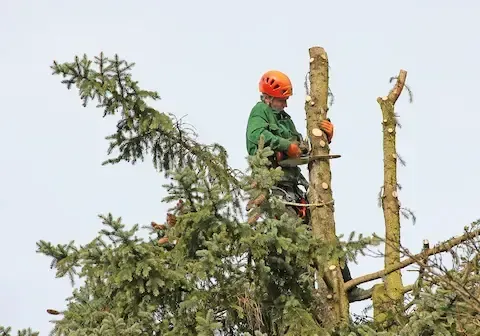
Climbing equipment and rigging systems enable removal of trees inaccessible to mechanical equipment. Professional climbers use specialized harnesses, ropes, and cutting tools designed for safe operation at height. This equipment requires regular inspection and replacement to maintain safety standards.
Stump grinding equipment ranges from small units suitable for residential work to large track-mounted grinders capable of removing massive stumps. The choice of grinding equipment affects both the efficiency of stump removal and the resulting landscape impact.
Safety equipment including hard hats, eye protection, hearing protection, and cut-resistant clothing protects workers during removal operations. Professional tree services maintain comprehensive safety programs and equipment to protect both workers and property owners during removal projects.
Environmental and Cleanup Considerations
Tree removal generates substantial amounts of organic debris requiring proper disposal or recycling. Wood chips from stump grinding can be used as mulch for landscaping projects, while larger wood sections may be suitable for firewood or lumber applications. Discussing debris handling options with contractors helps maximize value from removed trees.
Soil compaction from heavy equipment affects surrounding landscape areas and may require remediation after removal completion. Professional contractors minimize ground damage through proper equipment selection and protective measures like plywood matting to distribute equipment weight.
Root system considerations extend beyond stump removal to include potential impacts on nearby trees, structures, and utilities. Large root systems may require partial removal or treatment to prevent future problems, while root decay following tree removal can create settling or drainage issues.
Replanting planning should begin before removal completion to maintain landscape balance and property value. Selecting appropriate replacement species based on site conditions, mature size, and maintenance requirements helps restore landscape functionality while avoiding future removal problems.
Closing Perspective
Successful tree removal in Jonesboro requires balancing safety, cost, timing, and environmental considerations through professional planning and execution. Understanding the factors that influence removal costs and complexity helps property owners make informed decisions about their trees while protecting their investment and safety.
Working with qualified, insured professionals ensures proper removal techniques and protects against liability and property damage. While professional Tree Removal services represent a significant investment, they provide expertise, equipment, and insurance protection that DIY approaches cannot match.
Planning removal projects during appropriate seasons and coordinating with local regulations, utilities, and weather conditions leads to better outcomes and often lower costs. Emergency removals following storm damage may be unavoidable, but planned removals benefit from careful timing and preparation.
Remember that tree removal represents a permanent change to your property's landscape and value. Thorough consideration of alternatives, careful contractor selection, and proper planning ensure removal projects meet your needs while protecting your property investment for years to come.
