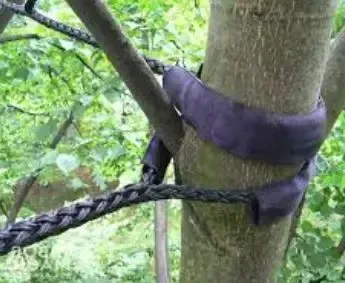
Tree Cabling and Bracing in Jonesboro, AR: A Guide
Tree cabling and bracing is a structural support system installed in trees with weak unions, split trunks, or heavy overextended limbs. In Jonesboro, AR, it is commonly used on mature oaks, elms, and ornamental trees that have significant value but show signs of structural failure. A certified arborist installs steel cables or rigid rods between major limbs or trunk sections to redistribute load and reduce movement during storms. The goal is to extend the tree's safe life without removing it. This guide covers how the process works, which trees qualify, and what the service costs locally.
What Is Tree Cabling and Bracing?
Cabling involves attaching high-strength steel cables between major limbs or co-dominant stems to limit their movement relative to each other. Bracing uses threaded steel rods installed through cracked or split sections of wood to hold them together. These two techniques are often combined. The hardware is positioned in the upper crown for cabling and at or near the failure point for bracing. Modern systems use static or dynamic cables depending on whether the goal is rigid restriction or flexible load management. Your arborist will assess the tree's structure before recommending which system fits.
Which Trees in Jonesboro Qualify for This Treatment?
Not every structurally compromised tree is a good candidate. Trees are evaluated based on overall health, root system integrity, and whether the structural defect can be stabilized without posing ongoing risk. In Jonesboro, the following situations commonly qualify:
Co-dominant stems — Two or more trunks of similar size competing for dominance with a narrow, weak union between them
Split or cracked trunks — Longitudinal cracks from lightning, freeze events, or mechanical damage that have not yet caused full separation
Overextended limbs — Long heavy branches growing over structures, driveways, or high-traffic areas where failure would be dangerous
Storm-damaged trees — Trees that partially failed during severe weather but retain enough healthy tissue to survive with support
Historic or high-value specimens — Mature oaks, pecans, or landmark trees where preservation has aesthetic, ecological, or financial value
A tree that is already in advanced decline, has significant root damage, or shows internal decay beyond a manageable threshold is generally not a good cabling candidate. In those cases, removal is the more responsible recommendation.
How Is the Installation Process Done?
The process begins with a ground-level and aerial inspection. The arborist identifies failure points, measures branch angles, and determines cable anchor positions. For cabling, holes are drilled into the wood at anchor points and eye bolts or J-lags are installed. The cable is tensioned between these hardware points using thimbles and swaged fittings. For bracing rods, holes are bored through the trunk or limb at the failure zone and threaded rods are secured with washers and nuts on each side. The entire system is designed to flex slightly under wind load while preventing the failure point from separating further. Installation typically takes one to three hours depending on the number of attachment points and the height of the work.
How Often Does the System Need to Be Inspected?
Cabling and bracing hardware must be inspected regularly. Industry guidance recommends annual inspection by a qualified arborist. As the tree grows, cables and hardware can become embedded in the wood or lose proper tension. In Jonesboro's climate, where ice storms and high-wind events are seasonal concerns, post-storm inspections are also advisable. Hardware that is embedded, over-tensioned, or corroded needs to be replaced. A cabling system that is ignored for years can actually cause damage to the tree rather than protecting it. Budget for annual checkups when you budget for the initial installation.
What Does Tree Cabling Cost in Jonesboro, AR?
Pricing in the Jonesboro market depends on tree height, the number of cables or rods needed, and whether aerial equipment is required. General estimates for the area:
Single cable installation: $200–$500 for accessible, mid-size trees
Multi-cable systems: $500–$1,200 for large trees requiring three or more attachment points
Bracing rod installation: $150–$400 per rod depending on location and tree size
Combined cabling and bracing: $600–$1,800 for complex situations
Annual inspection: $75–$150 per visit
These ranges are estimates. Get a written assessment from a licensed arborist before any work begins. For more detail on what this service includes locally, see Tree Cabling And Bracing from Jonesboro Tree Pros.
Is Cabling a Permanent Fix?
No. Cabling and bracing are risk reduction tools, not permanent repairs. They extend the functional and safe life of a compromised tree, but they do not reverse underlying structural weakness. A tree with a weak co-dominant union will always have that vulnerability. The hardware manages it. You should expect to maintain the system for the life of the tree and to revisit the removal question if the tree's condition deteriorates significantly. In Northeast Arkansas, where severe thunderstorms roll through from spring into fall, that honest assessment matters. Cabling buys time and reduces risk — it does not eliminate it.
What Should You Ask Before Hiring an Arborist?
Before signing a contract for cabling or bracing work in Jonesboro, confirm the following with any company you contact:
Is the arborist ISA certified? Ask for their credential number.
Do they carry liability insurance and workers' compensation coverage for climbing work?
Will they provide a written assessment explaining why cabling is recommended over removal?
What hardware brand and cable type do they use, and does it meet ANSI A300 standards?
What is the follow-up inspection schedule and is it included in the initial price?
Jonesboro has a mix of established tree care companies and general landscapers who occasionally offer cabling. The skill gap between these two groups is significant. Structural tree work done incorrectly creates false confidence — the tree looks supported but fails anyway. Verify credentials before work begins. You can also review an overview of tree cabling and bracing options for additional context on evaluating service providers and techniques in this area.
