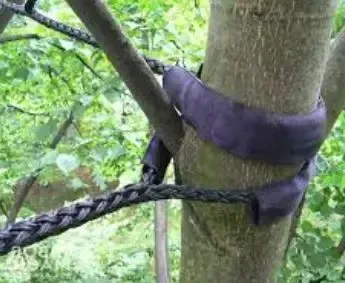
Tree Cabling and Bracing in Jonesboro, AR: Overview
Understanding Tree Cabling and Bracing Systems
Tree cabling and bracing represents a sophisticated arboricultural technique that can extend the life of valuable trees facing structural challenges. This system involves installing flexible steel cables and rigid braces to redistribute mechanical stress throughout a tree's canopy, reducing the likelihood of catastrophic failure during severe weather events or under the weight of heavy foliage.
The process requires careful assessment of tree architecture, understanding of load distribution patterns, and precise installation techniques. Professional arborists evaluate factors such as trunk diameter, branch angles, wood strength, and environmental stresses to determine whether Tree Cabling And Bracing will provide meaningful structural enhancement or if removal might be the safer alternative.
In Jonesboro's climate, trees face unique stresses from ice storms, high winds, and rapid temperature changes that can compromise structural integrity over time. Mature hardwoods like oaks, maples, and hickories often develop co-dominant stems or weak branch unions that benefit from strategic support systems when properly implemented.
When Trees Benefit From Structural Support
Certain tree conditions make excellent candidates for cabling and bracing interventions. Co-dominant stems represent one of the most common scenarios where support systems prove beneficial. These occur when a tree develops two or more main trunks of similar size, creating a weak union that's prone to splitting under stress.
Large horizontal branches extending over valuable property also benefit from cable support. These limbs carry significant weight and create substantial leverage against their attachment points. Strategic cabling can reduce this stress by transferring some load to stronger parts of the tree structure.
Trees with included bark formations, where bark becomes trapped between growing stems, often develop weak unions that split readily. Professional assessment can determine whether these defects warrant support systems or represent risks too significant for mitigation through structural enhancement.
Storm-damaged trees sometimes retain enough structural integrity to benefit from strategic support. Recent damage doesn't automatically disqualify a tree from receiving cables or braces, though careful evaluation of remaining wood strength and overall tree health becomes critical for long-term success.
Species-Specific Considerations
Different tree species respond variably to structural support systems. Oaks, common throughout Jonesboro neighborhoods, typically develop strong wood that responds well to cabling when properly installed. Their growth patterns often create ideal anchor points for cable systems.
Soft maples present more challenging scenarios due to their brittle wood characteristics and rapid growth patterns. While these trees can receive structural support, success rates vary compared to harder species with stronger wood fiber.
Pine trees rarely benefit from traditional cabling systems due to their different architecture and failure patterns. These conifers typically fail at the root system or through whole-tree windthrow rather than through the branch failures that cables address.
Installation Methods and Materials
Modern tree cabling utilizes extra-high-strength steel cables with breaking strengths exceeding 7,000 pounds. These cables incorporate protective sleeves at contact points to prevent bark damage and allow for natural tree movement while providing structural support during extreme loading events.
Dynamic cabling systems represent the current standard of care, allowing trees to maintain natural movement patterns while providing support during critical loading. These systems contrast with older static installations that restricted tree movement and often created secondary failure points.
Installation requires specialized equipment and training to achieve proper cable positioning and tension. Cables typically install in the upper two-thirds of the tree crown, positioned to intercept loading before it reaches vulnerable union points. Multiple anchor points distribute forces across stronger portions of the tree structure.
Bracing systems complement cables in specific situations where additional support proves necessary. These rigid installations typically address lower trunk defects or provide temporary support during tree recovery from storm damage or construction impacts.
Hardware and Connection Points
Professional installations utilize purpose-built hardware including lag hooks, eye bolts, and thimbles designed specifically for arboricultural applications. These components resist corrosion and provide reliable connection points that won't damage tree tissues when properly installed.
Connection point selection requires understanding tree biology and growth patterns. Hardware must penetrate through bark and into sound wood while avoiding critical conducting tissues. Proper placement ensures long-term system integrity without compromising tree health.
Installation timing affects success rates significantly. Spring and early summer installations allow trees to begin compartmentalization processes before winter stress periods, improving long-term compatibility between hardware and living tissues.
Effectiveness and Limitations
Research demonstrates that properly installed cable systems can reduce loading on supported unions by 35-50% during typical wind events. This reduction often proves sufficient to prevent failure in trees that would otherwise split during moderate storms.
However, cable systems cannot overcome fundamental structural defects or restore strength to severely decayed wood. Trees with extensive decay, severe lean, or root system compromise may not benefit from structural support regardless of installation quality.
Support systems require ongoing maintenance and periodic inspection to ensure continued effectiveness. Cables can stretch, hardware can loosen, and tree growth can affect system performance over time. Regular professional assessment ensures systems continue providing intended benefits.
Environmental factors influence system performance significantly. Ice loading, common in Jonesboro winters, can exceed design limits of even well-installed systems. Property owners should understand that structural support reduces but cannot eliminate failure risk entirely.
Cost-Benefit Analysis
Installation costs typically range from $200-800 per cable system depending on tree size, access difficulty, and hardware requirements. This investment often proves economical when compared to removal costs for large, valuable trees or potential property damage from failure.
Trees providing significant landscape value, shade benefits, or historical importance often justify support system investments even when removal might represent the technically safer option. When a certified arborist recommends tree support systems, cost-benefit calculations should include both tangible and intangible tree values.
Local Climate Considerations for Jonesboro
Jonesboro's location in northeast Arkansas subjects trees to specific environmental stresses that influence structural support decisions. Ice storms represent the most significant loading events, capable of adding thousands of pounds to tree canopies within hours.
Summer thunderstorms with straight-line winds create different loading patterns than ice events. Cable systems designed for local conditions must account for both seasonal stress types to provide effective protection throughout the year.
The region's clay soils affect root system development and overall tree stability. Trees growing in these conditions may develop different crown-to-root ratios that influence structural support requirements compared to trees in other soil types.
Periodic drought stress, common in the Arkansas Delta region, can affect wood strength and tree vitality. Support systems installed during drought periods may require adjustment as trees recover and resume normal growth patterns.
Professional Assessment Requirements
Determining appropriate candidates for structural support requires specialized training in tree risk assessment and biomechanics. Certified arborists utilize standardized evaluation protocols to assess structural defects, predict failure modes, and design appropriate support systems.
Visual inspection techniques identify obvious defects like co-dominant stems, large dead branches, or included bark formations. However, internal decay detection often requires advanced diagnostic tools including resistograph testing or sonic tomography to evaluate wood condition.
Risk assessment protocols consider not only tree condition but also target values and site-specific factors. A structurally compromised tree over a house requires different evaluation criteria than the same tree in an open field area.
Professional recommendations balance multiple factors including tree biology, structural engineering principles, economic considerations, and liability concerns. These complex decisions require experience and training that goes well beyond basic tree care knowledge.
Installation Timeline and Seasonal Factors
Optimal installation timing considers both tree biology and weather patterns. Late spring through early summer provides ideal conditions for hardware installation, allowing trees to begin compartmentalization before winter stress periods.
Fall installations can succeed but provide less time for tree adjustment before winter loading events. Emergency installations following storm damage may occur at suboptimal times but can prevent further deterioration while trees recover.
Installation scheduling should avoid periods of active growth when trees are most vulnerable to installation stress. Early spring during bud break represents the worst timing for invasive procedures like hardware installation.
Weather conditions on installation day affect both work safety and system performance. High winds, precipitation, or extreme temperatures can compromise installation quality and should be avoided when possible.
Maintenance and Monitoring Programs
Structural support systems require ongoing attention to maintain effectiveness over time. Annual inspections check cable tension, hardware condition, and tree response to the support system installation.
Tree growth gradually affects system performance as circumference increases and branch positions change. Periodic adjustments may be necessary to maintain optimal support characteristics as trees mature.
Storm damage assessments should always include evaluation of existing support systems. Even when trees survive severe weather events, cables and hardware may require replacement or adjustment to ensure continued protection.
Documentation of installation details, maintenance activities, and inspection results provides valuable information for long-term system management and liability considerations.
Alternative Support Methods
Propping systems using rigid supports can supplement or replace cable installations in specific situations. These systems work well for low branches or temporary support during tree recovery periods.
Crown reduction pruning represents an alternative approach that reduces loading by removing weight rather than adding support. This technique proves particularly effective for trees with excessive end weight or poor taper ratios.
Guying systems, similar to those used for newly planted trees, can provide temporary support for storm-damaged trees during recovery periods. These systems typically require removal once trees regain stability.
Root zone improvements including soil modification, drainage enhancement, or root collar excavation can address underlying stability issues that contribute to structural problems in the crown.
