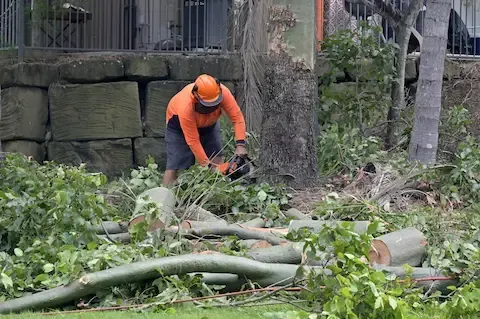
Summer Tree Trimming in Jonesboro, AR: When and Why
Summer in Jonesboro brings heat, humidity, and the kind of rapid tree growth that can turn a manageable canopy into a tangled mess in a matter of weeks. Whether you are dealing with branches crowding your roofline, deadwood accumulating after a spring storm, or limbs stretching into power line territory, mid-season trimming is sometimes not just convenient but necessary. The challenge is knowing which trees tolerate summer cuts well, which ones you should leave alone, and what risks come with trimming during the hottest months of the year.
Why Summer Tree Trimming Gets a Mixed Reputation
You will hear different opinions about summer trimming depending on who you ask. The hesitation comes from real biology. When a tree is actively growing, it is pushing energy outward through leaves and new shoots. Making cuts during this phase interrupts that process, and in some species or situations, it can invite disease or stress the tree more than a dormant-season cut would.
That said, the concern is often overstated. Trimming during summer is not inherently harmful. The key variable is the reason you are trimming, the species involved, and how the work is done. A clean cut on healthy wood during summer carries far less risk than a careless cut during the ideal season. Understanding the nuance is what separates a well-maintained tree from one that declines over time.
For homeowners in Jonesboro weighing their options, understanding the difference between trimming and pruning trees is a useful starting point before scheduling any mid-season work.
Trees That Handle Summer Trimming Well
Not all trees respond the same way to summer cuts. Several common species in northeast Arkansas are tolerant of mid-season work when done correctly.
- Crape myrtles — Among the most summer-friendly trees to trim. Light shaping after their first bloom flush can encourage a second round of flowering. Avoid heavy topping, which causes problems regardless of season.
- Oaks — Counterintuitively, summer can actually be a better time to trim oaks in Arkansas than spring or fall. Oak wilt, a serious fungal disease, spreads most aggressively when beetles are active in early spring. By summer, beetle activity drops, making trimming safer. If you trim oaks in Jonesboro, avoid fresh cuts during spring flush.
- Deadwood removal on any species — Dead branches do not respond to seasonal timing the way living tissue does. Removing hazardous deadwood in summer is appropriate regardless of species because you are not affecting the tree's active growth processes.
- Fruit trees — Light corrective trimming during summer can help manage fruit load and improve air circulation, both of which support disease prevention during Jonesboro's humid summers.
Trees to Approach With Caution in Summer
Some species are more vulnerable during active growth, and summer cuts carry higher risk for them.
- Birches and maples — These trees are known for heavy sap flow. Cuts during summer can bleed extensively, stressing the tree and attracting insects. If trimming is needed, early summer before peak heat is preferable to mid or late summer.
- Elms — Dutch elm disease is spread by beetles that are drawn to fresh wounds. Trimming elms during summer increases exposure risk, particularly in areas where the disease is present.
- Stressed or recently transplanted trees — Any tree that is already under stress from drought, soil compaction, construction damage, or recent transplanting should not be trimmed in summer unless you are removing a structural hazard. Adding the additional stress of a cut during active growth can push a struggling tree past its recovery threshold.
Common Mistakes Homeowners Make With Summer Trimming
Even well-intentioned trimming can cause problems when the approach is off. These are the errors that show up most often during summer work in Jonesboro.
Over-trimming during heat stress. Removing too much canopy in summer reduces the tree's ability to photosynthesize and create energy reserves. A good rule of thumb is to never remove more than 25 percent of a tree's canopy in a single session, and to stay closer to 10 to 15 percent during peak heat months.
Leaving ragged cuts. Torn or jagged cuts take longer to compartmentalize and create larger entry points for pathogens. Clean cuts made just outside the branch collar heal more efficiently, which matters more in summer when decay organisms are actively reproducing in warm, moist conditions.
Applying wound sealants unnecessarily. The old practice of painting cuts with tar or sealant is no longer recommended by arborists. Research shows these products can trap moisture and impede the tree's natural healing response. In Jonesboro's humid climate, this is particularly counterproductive.
Trimming without considering disease vectors. In Arkansas, fungal spores and bark beetles are active throughout summer. Making cuts without sanitizing tools between trees increases the risk of spreading pathogens from one tree to another. If you are managing multiple trees, this step is not optional.
How Jonesboro's Climate Shapes Summer Trimming Decisions
Northeast Arkansas summers are not mild. Heat indexes regularly push past 100 degrees Fahrenheit, and rainfall can be sporadic enough that drought stress becomes a factor for even established trees. This environment changes how you approach trimming decisions.
During extended dry periods, trees in Jonesboro are already working harder to maintain function. Their ability to respond to wounds is reduced when water is limited. If you have not had significant rainfall in three or more weeks, lighter trimming is advisable, and full corrective work should wait unless there is a safety concern.
On the other hand, Jonesboro's summer thunderstorm activity creates real hazards. Storm damage, broken limbs, and hanging branches require prompt attention regardless of the season. Waiting for dormancy is not reasonable when a split limb is sitting over a roof or a walkway.
Safety Trimming Versus Elective Trimming in Summer
One of the most useful distinctions to make in summer is between trimming you need to do now and trimming that can wait. Safety trimming includes removing deadwood, addressing storm damage, clearing limbs that have grown into structure contact, and managing sight-line hazards near driveways or intersections. These situations justify summer work regardless of species.
Elective trimming, which includes shaping for aesthetics, reducing canopy density for light access, or managing overall size, can often wait until late fall or early winter when trees have entered dormancy. Jonesboro's mild winters allow for comfortable outdoor work well into December, and dormant-season trimming typically produces less stress and lower disease risk for most deciduous species.
If you are unsure whether your situation qualifies as safety trimming or elective work, professional Tree Trimming services in Jonesboro can assess the risk level and advise on timing.
Making Smart Decisions for Your Trees This Summer
Summer trimming in Jonesboro is neither universally recommended nor universally harmful. The decision depends on what species you have, why you need to trim, and what condition the tree is in right now. Crape myrtles, oaks with disease risk concerns, and deadwood on any tree are reasonable candidates for summer work. Stressed trees, species prone to sap bleed, and elective shaping projects are usually better postponed.
Working with someone who understands northeast Arkansas tree species, local disease pressures, and seasonal timing helps you avoid the mistakes that cost trees their long-term health. A tree that receives thoughtful, well-timed trimming for years will outperform one that gets hacked back whenever it becomes inconvenient.
