Stump Grinding in Jonesboro, AR: Process, Cost and Options
After tree removal, you're left with an unsightly stump that serves no purpose except creating obstacles in your yard. Stump grinding offers an effective solution for property owners in Jonesboro, Arkansas, transforming these remnants into useful mulch while reclaiming valuable outdoor space. Understanding your options, costs, and the grinding process helps you make informed decisions about stump removal on your property.
The choice between stump grinding and complete stump removal depends on several factors specific to your Jonesboro property, including soil conditions, future landscaping plans, and budget considerations. Professional stump grinding services use specialized equipment to reduce stumps to wood chips below ground level, eliminating trip hazards and creating space for new plantings or lawn restoration.
The Stump Grinding Process
Professional stump grinding begins with a thorough assessment of the stump size, root system, and surrounding area. The technician identifies any underground utilities, irrigation lines, or obstacles that might affect the grinding process. This preparation phase ensures safe operation and prevents damage to your property's infrastructure.
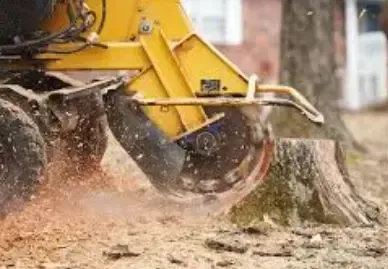
The grinding equipment consists of a powerful machine with a rotating cutting wheel featuring carbide teeth. The operator positions the grinder over the stump and systematically grinds the wood down to approximately 6-12 inches below ground level. The cutting wheel pulverizes both the visible stump and major surface roots, creating wood chips as a byproduct of the process.
During grinding, the operator continuously adjusts the cutting depth and angle to address different root formations and stump characteristics. Larger stumps require multiple passes from different angles to ensure complete removal of all wood material above the specified depth. The process generates significant amounts of wood chips, which can be left on-site for your use or removed as part of the service.
The final step involves backfilling the resulting hole with the generated wood chips and any remaining soil. This leaves the area level with the surrounding ground, ready for immediate seeding, sodding, or other landscape improvements. The entire process typically takes one to three hours depending on stump size and complexity.
Equipment and Machinery Types
Professional stump grinding services in Jonesboro utilize various machine types depending on stump size and site accessibility. Walk-behind grinders handle smaller stumps in confined spaces where larger equipment cannot operate. These compact machines are ideal for stumps near buildings, fences, or in backyard locations with limited access.
Self-propelled track units represent the most common choice for residential stump grinding. These machines balance power and maneuverability, handling stumps up to three feet in diameter while navigating typical residential landscapes. Their rubber tracks minimize lawn damage while providing stability during operation.
Large truck-mounted grinders tackle the biggest stumps and multiple stump projects efficiently. These powerful machines can process stumps over four feet in diameter and complete extensive grinding projects in single visits. However, they require adequate access routes and may not be suitable for all residential properties.
Specialized equipment attachments allow grinding machines to work around obstacles and in challenging terrain. Extension arms reach stumps in tight corners, while different cutting wheel configurations optimize performance for various wood types and stump conditions common in Northeast Arkansas.
Cost Factors and Pricing Structure
Stump grinding costs in Jonesboro depend primarily on stump diameter, measured at the widest point above ground. Most professionals charge per inch of diameter, with rates typically ranging from $3 to $5 per inch for standard residential jobs. A 20-inch diameter stump would cost between $60 and $100 using this pricing method. For a fuller breakdown of what drives the number on your quote, see what stump grinding costs in Jonesboro AR.
Additional factors influence final pricing beyond basic diameter measurements. Stump height affects grinding time and difficulty, with taller stumps requiring more cutting passes. Root flare and surface root systems add complexity and time to the grinding process. Hard wood species like oak or hickory take longer to grind than softer woods like pine or poplar.
Site conditions significantly impact pricing and feasibility. Easy access for equipment keeps costs down, while difficult access requiring smaller machines or extended setup time increases charges. Proximity to structures, utilities, or landscaping features may require additional precautions and specialized techniques.
Multiple stump projects often qualify for volume discounts, making it economical to address all stumps simultaneously rather than scheduling separate visits. Travel time and equipment mobilization costs are distributed across multiple stumps, reducing the per-stump expense for larger projects.
DIY vs Professional Services
Rental stump grinders are available for determined DIY property owners, but operating these machines requires significant skill and safety awareness. Rental costs typically range from $150 to $300 per day, plus fuel and potential damage deposits. The learning curve for safe, effective operation can result in extended rental periods and subpar results.
Safety considerations make professional services the preferred choice for most property owners. Stump grinders operate rotating cutting wheels at high speeds, creating serious injury risks for inexperienced operators. Flying debris, equipment tipping, and underground utility strikes represent significant hazards requiring professional training and safety protocols.
Professional services include comprehensive insurance coverage protecting property owners from equipment damage, utility strikes, and injury claims. Experienced operators complete jobs efficiently while maintaining safety standards and producing superior results compared to typical DIY attempts.
The physical demands of stump grinding extend beyond machine operation. Moving wood chips, navigating equipment, and maintaining cutting wheels throughout the process requires stamina and mechanical knowledge that most property owners lack.
Timing and Seasonal Considerations
Stump grinding can occur year-round in Jonesboro's climate, but certain seasons offer advantages for scheduling and results. Spring scheduling allows immediate landscape restoration following grinding, taking advantage of optimal growing conditions for new grass or plantings in the treated area.
Summer grinding works well when stumps have dried sufficiently to reduce grinding difficulty. However, extreme heat can make the work uncomfortable for operators and may limit daily working hours. Dust production during dry periods requires additional water application to minimize airborne particles.
Fall represents an ideal time for stump grinding projects, combining moderate temperatures with dried wood conditions. The generated wood chips can be left in place over winter, decomposing partially before spring landscape restoration begins.
Winter grinding remains possible except during extreme weather conditions. Frozen ground can complicate the process, and wet conditions may create muddy working areas. However, dormant season scheduling often provides better availability and potentially reduced pricing from service providers.
Wood Chip Management and Uses
Stump grinding produces substantial quantities of wood chips that require management decisions. A typical residential stump generates one to three cubic yards of chips, depending on size and root system extent. These chips offer valuable landscaping applications when properly utilized.
Fresh wood chips work excellently as mulch around trees, shrubs, and garden beds. They suppress weeds, retain soil moisture, and gradually decompose to improve soil organic matter. However, avoid placing fresh chips directly against plant stems or tree trunks to prevent pest and disease issues.
Pathway and playground surfacing represent other beneficial uses for stump grinding debris. The chips provide natural-looking ground cover that suppresses weeds while allowing water infiltration. Over time, they break down and require periodic refreshing to maintain appearance and function.
Composting wood chips creates valuable soil amendment after proper aging and decomposition. Mixing chips with nitrogen-rich materials accelerates the composting process, producing nutrient-rich humus for garden applications within one to two years.
Local Considerations for Jonesboro Properties
Jonesboro's clay soil conditions affect stump grinding projects differently than sandy or loamy soils found elsewhere. Clay's density and water retention characteristics can complicate grinding operations, especially during wet periods when equipment may struggle with traction and stability.
The region's common tree species influence grinding difficulty and chip characteristics. Native hardwoods like oak, hickory, and ash produce durable chips suitable for long-lasting mulch applications. Pine stumps grind more easily but produce chips that decompose faster, requiring more frequent replacement in landscaping applications.
Local utility infrastructure in established Jonesboro neighborhoods requires careful attention during stump grinding projects. Underground gas, electric, and telecommunications lines often run close to mature tree locations, necessitating utility location services before grinding begins.
Municipal regulations in Jonesboro may affect stump grinding timing and debris management. While most residential stump grinding requires no permits, checking with city officials ensures compliance with any local ordinances regarding equipment operation hours or debris disposal methods.
Professional Service Selection
Choosing qualified stump grinding services requires evaluating several key factors beyond basic pricing. Proper insurance coverage protects property owners from liability claims and equipment damage costs. Request certificates of insurance confirming both general liability and equipment coverage before authorizing work.
Experience with local conditions and tree species ensures efficient, effective grinding results. Established Jonesboro-area services understand soil conditions, common tree types, and local utility layouts that affect project planning and execution. This knowledge translates to better outcomes and fewer complications during grinding operations.
Equipment quality and maintenance directly impact grinding results and project timeline. Well-maintained machines with sharp cutting wheels complete jobs faster while producing more uniform wood chips. Professional services invest in equipment maintenance to ensure reliable operation and customer satisfaction.
Clear pricing structure and project scope eliminate surprises and disputes. Professional services provide written estimates detailing all charges, cleanup responsibilities, and completion timelines. This documentation protects both parties and ensures clear expectations for project outcomes.
Closing Perspective
Stump grinding represents the most practical solution for removing tree remnants from Jonesboro properties while maximizing landscape potential. The process efficiently converts unsightly stumps into useful wood chips while preparing sites for immediate replanting or restoration. Professional services ensure safe, effective removal using appropriate equipment and techniques for local conditions.
Understanding the grinding process, cost factors, and service options empowers property owners to make informed decisions about stump removal projects. Whether addressing single stumps or comprehensive landscape renovation, professional grinding services provide the expertise and equipment necessary for successful outcomes. For comprehensive tree care needs, consider learning about the full tree removal process in Jonesboro, AR to understand how stump grinding fits into overall property management.
The investment in professional stump grinding pays dividends through improved property appearance, enhanced safety, and increased usable outdoor space. With proper planning and qualified service providers, stump grinding transforms problem areas into opportunities for landscape improvement and property enhancement.
