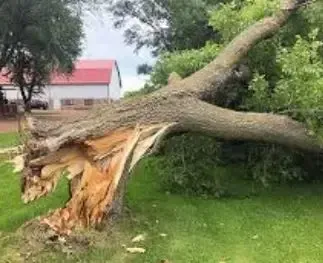
Storm Tree Damage Assessment Guide for Jonesboro, AR
After a storm passes through Jonesboro, AR, you need to quickly identify which trees pose immediate safety risks and which can be saved. Start by staying at least 10 feet away from any tree and look for obvious signs like split trunks, hanging branches, or uprooted root systems. Check for power line contact before approaching closer. Trees with more than 50% of their canopy damaged or extensive root exposure typically require removal, while minor branch damage can often be pruned and repaired by professionals.
How do you safely approach a storm-damaged tree for assessment?
Never approach a storm-damaged tree immediately after severe weather passes through Jonesboro. Wait at least 30 minutes after winds subside before beginning any assessment. Start your evaluation from a distance of at least 10 feet, scanning the entire tree from top to bottom. Look up first to identify any hanging or partially detached branches that could fall without warning. Check for downed power lines near or touching the tree - if you see any electrical contact, call Entergy Arkansas immediately and stay away from the area.
Use binoculars if available to get a closer look at the upper canopy without getting underneath potentially unstable branches. Walk completely around the tree while maintaining your safe distance, noting any changes in the tree's normal shape or lean. Document what you see with photos from multiple angles - this information will be valuable when consulting with Emergency Tree Service professionals.
What are the most dangerous signs that require immediate professional attention?
Certain damage patterns indicate a tree has become an immediate hazard that requires emergency removal. A split or cracked trunk, especially one that extends more than halfway through the tree's diameter, creates an unstable structure that could fail at any moment. Root plate lifting, where you can see the root ball partially or completely exposed above ground, means the tree's anchor system has been compromised.
Large hanging branches, particularly those over 4 inches in diameter, pose serious risks to people and property below. These "widow makers" can fall days or even weeks after the initial storm. Trees leaning more than 15 degrees from their original position, especially if the lean developed suddenly during the storm, are likely to continue falling. Any tree touching power lines or structures requires immediate professional intervention to prevent further damage or electrocution risks.
How do you assess whether a tree can be saved or needs removal?
The key to determining a tree's survival chances lies in evaluating the extent and location of the damage. Trees can typically survive the loss of up to 50% of their canopy, but the remaining structure must be sound. Check the main trunk for cracks, splits, or bark damage that exposes the inner wood. Healthy trees in Jonesboro's climate can often recover from significant branch loss if the trunk and root system remain intact.
Examine the root zone carefully for signs of upheaval or major root damage. Small surface roots may be damaged without threatening the tree's stability, but damage to major structural roots within 5 feet of the trunk is more serious. Consider the tree's age, species, and overall health before the storm - young, healthy trees recover better than older specimens that were already stressed. how to prepare trees for tornado season in Jonesboro can help you understand which species are most resilient to storm damage.
What should you document during your assessment?
Thorough documentation serves multiple purposes, from insurance claims to helping professionals develop a treatment plan. Take clear photos of all damage from multiple angles, including close-ups of cracks, splits, or broken branches and wide shots showing the tree's overall condition. Measure and record the diameter of major damaged branches and note their height above ground.
Document the tree's lean angle if it has shifted, and photograph any root exposure or soil upheaval around the base. Note the tree's species, estimated age, and approximate size measurements. Record the date and time of your assessment, weather conditions during the storm, and any immediate safety concerns. This documentation will be invaluable when working with insurance adjusters or tree service professionals to develop a treatment plan.
When should you call professionals versus handling damage yourself?
Storm tree damage assessment and cleanup in Jonesboro requires professional expertise in most cases involving significant damage. Call professionals immediately for any tree touching power lines, structures, or roadways. Trees with trunk damage, major limb failures, or root system compromise should only be handled by certified arborists with proper equipment and insurance.
You might handle minor cleanup yourself only if damage is limited to small branches under 2 inches in diameter that have already fallen completely to the ground. Never attempt to remove hanging branches, even small ones, as they can fall unpredictably. Avoid using chainsaws or climbing ladders around storm-damaged trees - the stress patterns in damaged wood make these trees much more unpredictable than healthy specimens.
How do local Jonesboro conditions affect storm damage assessment?
Jonesboro's location in the Arkansas Delta creates specific conditions that influence storm damage patterns and recovery. The area's clay-heavy soil can become saturated during storms, reducing root anchorage and making trees more susceptible to uprooting. This soil type also means that root damage may not be immediately visible, as the clay can temporarily hold damaged root systems in place.
The region's common tree species, including oak, pine, and sweetgum, each respond differently to storm damage. Pine trees often suffer complete failure when damaged, while oak trees may survive significant branch loss. Jonesboro's humid subtropical climate aids in healing, but also increases the risk of decay in damaged wood. Local weather patterns, with frequent thunderstorms and occasional tornadoes, mean that weakened trees face ongoing stress that can lead to delayed failures months after the initial damage.
