Tornado Season Tree Prep for Jonesboro AR Homeowners
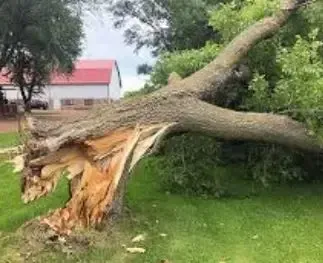
Northeast Arkansas faces severe tornado threats every spring, with Jonesboro sitting directly in a high-risk corridor that sees multiple tornado touchdowns annually. The combination of flat terrain, conflicting air masses, and seasonal weather patterns creates perfect conditions for dangerous storms that can turn healthy trees into deadly projectiles within seconds. Proper preparation before tornado season arrives can mean the difference between minor cleanup and catastrophic property damage.
Understanding Tornado Risks to Trees in Northeast Arkansas
Jonesboro's location in the Arkansas Delta exposes properties to unique tornado dynamics that create specific tree hazards. The flat topography allows storms to maintain strength longer, while the clay-heavy soil common throughout Craighead County affects how tree roots anchor during high winds. Trees that appear stable during normal weather can fail catastrophically when tornado-force winds create sudden pressure changes and rotational forces.
The tornado season typically peaks between March and June, with May being historically the most active month for severe weather in the Jonesboro area. During this period, straight-line winds exceeding 70 mph and rotating winds from tornadoes can snap healthy tree trunks, uproot entire root systems, or send large branches flying at deadly speeds. Understanding these risks helps homeowners prioritize which trees need attention before severe weather strikes.
Identifying High-Risk Trees Before Storm Season
Certain tree characteristics make them more likely to fail during tornado conditions. Dead or dying trees pose the highest risk, as weakened wood structure cannot withstand sudden wind loads. Look for signs like missing bark, fungal growth, hollow-sounding trunks when tapped, or extensive dead branching in the canopy.
Trees with structural defects also present serious hazards. Co-dominant stems where the trunk splits into two or more main leaders create weak points that commonly fail during high winds. V-shaped branch unions are particularly vulnerable compared to U-shaped unions that distribute stress more effectively. Large branches extending over houses, vehicles, or power lines require special attention, as even healthy branches can break under extreme wind loads.
Tree species selection matters significantly in tornado-prone areas. Fast-growing species like silver maple, Bradford pear, and certain pine varieties tend to have weaker wood structure that fails more easily. Conversely, oak species, hickory, and other hardwoods with dense wood and strong branching patterns typically perform better during severe weather events. After a storm passes, use this step-by-step storm tree damage assessment for Jonesboro to decide which trees are salvageable and which have to come down.
Essential Pre-Season Tree Maintenance
Proper pruning represents the most effective tornado preparation strategy for existing trees. Remove all dead, diseased, or damaged branches that could break loose during storms. Focus on eliminating branches that hang over structures, as these pose direct threats to roofs, vehicles, and people below. Pruning should reduce wind resistance while maintaining the tree's natural shape and structural integrity.
Crown thinning allows wind to pass through the canopy more easily, reducing the sail effect that can topple entire trees. However, over-pruning weakens trees and creates more problems than it solves. Professional Emergency Tree Service providers understand the balance between safety pruning and maintaining tree health, especially when preparing for severe weather seasons.
Root zone management also plays a crucial role in storm preparation. Compacted soil prevents roots from anchoring properly, while construction damage or soil level changes can compromise root systems. Ensure adequate drainage around valuable trees, as saturated soil conditions during spring storms make trees more likely to uproot when high winds hit.
Creating Defensible Space Around Your Property
Strategic tree placement and removal create safer zones around homes and critical infrastructure. Trees within falling distance of structures should be evaluated carefully, considering not just their current height but their potential growth. A 50-foot tree requires at least 50 feet of clearance from buildings to eliminate direct impact risk during failure.
Power line clearances demand special attention, as tree contact with electrical systems creates fire hazards and power outages that complicate emergency response. Utility companies maintain minimal clearances, but homeowners benefit from creating larger buffer zones around electrical infrastructure. Trees near power lines require professional assessment, as improper removal near electrical systems poses serious safety risks.
Consider the cumulative effect of multiple trees in close proximity. Groups of trees can protect each other from wind damage, but they can also create domino effects where one falling tree brings down others. Evaluate tree groupings as systems rather than individual specimens when planning tornado season preparations.
Common Tornado Prep Mistakes to Avoid
Many homeowners attempt aggressive pruning or tree removal without understanding proper techniques, often creating more hazards than they eliminate. Topping trees by cutting main branches back to stubs severely weakens the remaining structure and encourages rapid growth of poorly attached new branches. These weak new shoots become dangerous projectiles during future storms.
Timing mistakes also create problems. Major pruning during active growing seasons stresses trees and can attract pests or diseases. Late winter or early spring before bud break represents the optimal timing for most pruning work, allowing trees to heal before severe weather season arrives.
Ignoring professional assessment for high-risk situations leads to preventable accidents. Trees near power lines, large specimens over structures, or trees showing signs of internal decay require expert evaluation. What appears manageable to untrained eyes often involves complex hazards that only certified arborists can safely address.
Working with Local Emergency Tree Services
Establishing relationships with qualified tree service providers before emergency needs arise ensures faster response when severe weather threatens. Jonesboro area residents should verify that tree service companies carry proper insurance, employ certified arborists, and have experience with storm damage response.
Pre-storm assessments from qualified professionals identify hazards that homeowners might miss. Certified arborists use specialized tools and training to evaluate tree structure, soil conditions, and environmental factors that affect storm performance. This professional insight helps prioritize preparation efforts and budget resources effectively.
Emergency response planning should include contact information for reliable tree services, as demand skyrockets immediately after severe weather events. Companies with local presence and established operations can respond more quickly than out-of-area services that flood in after major storms. For comprehensive information about emergency response capabilities, homeowners should review what emergency tree service covers in Jonesboro to understand available options.
Long-Term Property Planning for Storm Resilience
New tree plantings should consider tornado risk as a primary factor in species selection and placement. Choose storm-resistant species with strong wood structure and deep root systems. Plant trees far enough from structures to account for mature size, and avoid species known for storm damage susceptibility.
Regular maintenance schedules help maintain trees in optimal condition for weather resistance. Annual inspections identify developing problems before they become serious hazards, while consistent pruning maintains proper structure and reduces wind resistance. Document tree conditions and maintenance history to track changes over time and plan future interventions.
Insurance considerations should include tree-related risks and coverage options. Review policies to understand what tree damage is covered and what preventive measures might affect claims. Some insurance providers offer discounts for proactive tree maintenance that reduces storm damage risks.
Tornado season preparation requires proactive planning and professional expertise to address the unique challenges facing Jonesboro homeowners. By identifying risks early, implementing proper maintenance practices, and working with qualified professionals, property owners can significantly reduce their exposure to tree-related storm damage while maintaining the benefits that healthy trees provide to their properties and community.
