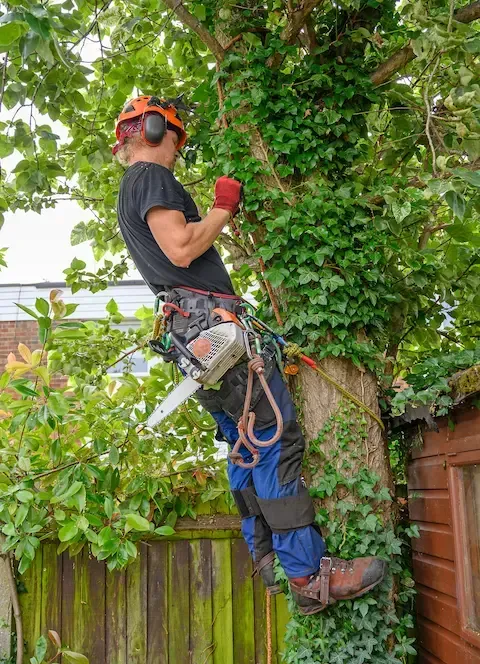
Identifying Sick Trees in Jonesboro, AR: What to Watch
A sick tree in Jonesboro, AR often shows subtle warning signs before obvious damage appears. Look for crown dieback, unusual leaf discoloration outside normal seasonal changes, fungal growth on bark or roots, and structural issues like cracks or leaning. Early detection through regular inspection helps prevent property damage and costly emergency removals during Arkansas's severe weather seasons.
What are the most obvious signs that a tree is sick or dying?
Dead or dying branches in the upper canopy represent one of the clearest indicators of tree decline. Crown dieback typically starts at branch tips and progresses inward, creating a sparse appearance even during growing season. You may notice branches that fail to leaf out in spring or lose leaves early in summer.
Bark abnormalities signal serious health problems. Peeling, cracking, or missing bark sections expose the vulnerable inner wood to disease and insects. Vertical cracks often indicate structural weakness, while horizontal wounds suggest impact damage or girdling root problems.
Fungal growth appears as mushrooms, conks, or bracket fungi growing from the trunk base, major roots, or branch unions. These organisms feed on decaying wood, indicating internal rot that compromises structural integrity. Professional Arborist Services can determine whether fungal presence requires immediate action.
How can you tell if leaves indicate tree health problems?
Leaf symptoms provide early warnings before structural damage becomes apparent. Premature yellowing or browning outside normal fall timing suggests root problems, disease, or environmental stress. Wilting during adequate moisture conditions indicates potential root rot or vascular disease.
Unusual spotting, curling, or distorted leaf growth patterns point to specific diseases common in Arkansas's humid climate. Anthracnose, leaf spot diseases, and powdery mildew create distinctive symptoms that trained observers can identify early in the infection cycle.
Sparse foliage or reduced leaf size compared to previous years indicates declining vigor. Trees under stress produce fewer, smaller leaves as they struggle to maintain basic functions. This symptom often precedes more serious problems by months or years.
What root and soil problems should homeowners watch for?
Exposed roots above ground level suggest soil erosion or compaction issues that stress tree health. Construction damage, grade changes, or heavy foot traffic can damage feeder roots essential for water and nutrient uptake.
Mushrooms or fungal growth around the tree base indicate root decay. Root rot diseases thrive in Jonesboro's clay soils when drainage problems create waterlogged conditions. Poor drainage kills fine roots and creates entry points for opportunistic pathogens.
Girdling roots that wrap around the trunk base restrict nutrient and water flow. These roots create visible depressions or flare abnormalities at the soil line. Understanding which native Arkansas trees are common in Jonesboro helps identify species-specific root problems.
When do structural issues indicate immediate safety concerns?
Leaning trees that develop suddenly or increase their lean angle pose immediate hazards. Gradual lean from prevailing winds differs from acute lean caused by root failure or soil movement. Fresh soil cracks or root exposure on the compression side indicates active failure.
Hollow or decayed trunks lose structural capacity even when appearing stable. Tap the trunk with a wooden handle - hollow sounds indicate internal decay. Professional assessment determines remaining structural capacity and failure risk.
Branch unions with included bark create weak attachment points prone to failure during storms. V-shaped unions with bark growing between branches lack the strong wood connection of U-shaped unions. These weak unions often fail without warning during Arkansas's severe thunderstorms.
How does Arkansas climate affect tree health symptoms?
Jonesboro's hot, humid summers stress trees already weakened by disease or root problems. Heat stress accelerates decline and makes trees more susceptible to secondary infections. Drought conditions force trees to close stomata, reducing photosynthesis and energy production.
Ice storms and severe thunderstorms common in northeast Arkansas cause immediate damage that predisposes trees to long-term decline. Storm-damaged trees often develop decay at wound sites, leading to structural failure months or years later.
Clay soil conditions throughout the region create drainage challenges that affect root health. Wet-dry cycles cause soil expansion and contraction that damages feeder roots and creates stress conditions favorable to root rot diseases.
What early intervention steps can prevent tree loss?
Regular watering during drought periods helps stressed trees maintain basic functions. Deep, infrequent watering encourages deep root growth and improves drought tolerance. Avoid overwatering, which creates conditions favorable to root rot.
Proper mulching conserves soil moisture and moderates temperature extremes around roots. Apply organic mulch in a donut shape, keeping mulch away from the trunk base to prevent pest and disease problems.
Professional diagnosis identifies specific problems and appropriate treatment options. Early detection allows for treatments like fungicide applications, root zone improvements, or structural support systems that can extend tree life and reduce safety risks.
