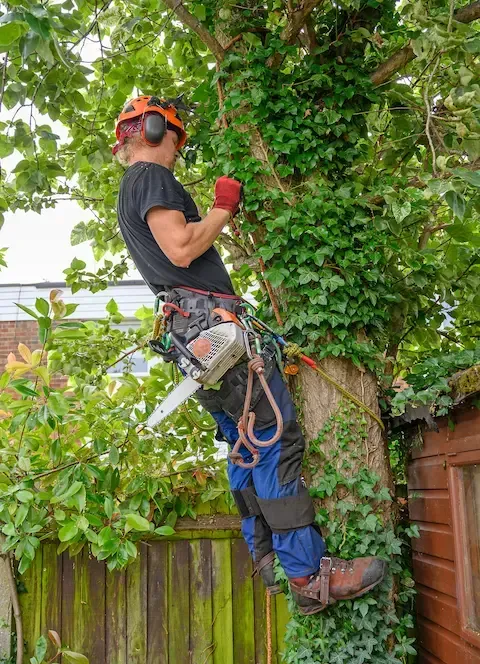
Arkansas Native Trees: A Guide for Jonesboro Yards
Arkansas native trees dominate Jonesboro yards with species like white oak, southern red oak, sweetgum, and hackberry forming the backbone of residential landscapes. These hardwood species evolved in northeast Arkansas's clay soils and humid subtropical climate, making them naturally adapted to local conditions. Understanding these trees helps homeowners make informed decisions about care, removal, and preservation of their established canopy.
What are the most common native trees in Jonesboro yards?
White oak stands as the most prevalent native species in established Jonesboro neighborhoods. These massive hardwoods can reach 80 feet tall with equally wide canopies, creating the signature shade that defines older residential areas. White oaks produce rounded-lobe leaves and sweet acorns that local wildlife depends on throughout fall and winter months.
Southern red oak thrives in the slightly acidic clay soils common throughout Craighead County. Also called Spanish oak, these trees develop the characteristic pointed-lobe leaves that turn brilliant orange-red each autumn. Red oaks grow faster than white oaks but typically have shorter lifespans, averaging 75-100 years in urban settings.
American sweetgum trees populate yards across Jonesboro with their distinctive star-shaped leaves and spiky seed balls. These native hardwoods adapt well to both wet and dry soil conditions, making them successful in areas where drainage varies. Arborist Services frequently evaluate sweetgums for structural integrity since they can develop weak branch unions as they mature.
How do you identify hackberry and other secondary natives?
Hackberry trees grow throughout northeast Arkansas neighborhoods as mid-story natives that tolerate urban stress exceptionally well. Their elm-like leaves and distinctive warty bark make identification straightforward. Hackberry wood tends to be brittle, so storm damage assessment becomes important for homeowners with mature specimens.
Eastern red cedar appears frequently in older Jonesboro yards, particularly along fence lines and property boundaries. These evergreen natives provide year-round screening but can harbor cedar-apple rust that affects nearby fruit trees. Many homeowners choose selective removal to reduce disease pressure on ornamental plantings.
Black cherry trees establish naturally in Jonesboro yards through bird dispersal. These natives produce small white flower clusters in spring followed by dark cherries that wildlife consumes readily. Black cherry wood is valuable, but the trees often develop multiple trunks that require professional evaluation for safety concerns.
What growth patterns should Jonesboro homeowners expect?
Native Arkansas trees typically establish deep taproot systems that help them access groundwater during summer drought periods. This root architecture makes transplanting mature natives nearly impossible, so preservation planning becomes critical during construction or renovation projects.
Most native hardwoods experience rapid juvenile growth for their first 20-30 years before settling into slower, steady development. White oaks may add only 12-18 inches annually once established, while sweetgums and red oaks maintain more aggressive growth rates through middle age.
Canopy development varies significantly between species and growing conditions. Trees in open yards develop broad, symmetrical crowns, while forest-edge specimens often show directional growth toward available light. Understanding these patterns helps homeowners plan landscape modifications around existing natives.
What soil and climate challenges affect native tree health?
Jonesboro's heavy clay soils create both advantages and challenges for native trees. While clay retains moisture during dry periods, it also restricts root oxygen during extended wet weather. Poor drainage areas often show signs of root stress in established trees, including premature leaf drop and crown dieback.
Summer heat stress affects even native species during extreme weather events. Trees planted in reflected heat from pavement or buildings show increased susceptibility to pest problems and diseases. Adequate mulching and supplemental watering during drought helps maintain tree vigor.
Ice storms pose the greatest weather threat to mature native trees in northeast Arkansas. Heavy ice loading can cause catastrophic branch failure, particularly in species like sweetgum and red oak that develop long horizontal limbs. when Jonesboro homeowners should hire an arborist becomes especially relevant after severe weather events.
How do pests and diseases impact Arkansas natives?
Oak wilt represents the most serious disease threat to white and red oaks in Jonesboro yards. This fungal pathogen spreads through root grafts between adjacent trees and through beetle vectors attracted to fresh wounds. Early detection and proper pruning timing help prevent disease establishment.
Bagworms commonly attack eastern red cedar and other evergreen natives during late spring and early summer. These caterpillars create distinctive cone-shaped bags while feeding on foliage. Hand removal or targeted treatments prevent defoliation that weakens trees over multiple seasons.
Scale insects frequently infest sweetgum and hackberry trees in urban environments. These small, sucking insects cause yellowing foliage and premature leaf drop. Heavy infestations can weaken trees significantly, making them more susceptible to other stress factors.
What maintenance practices benefit native Arkansas trees?
Proper mulching around native trees helps maintain soil moisture and temperature while suppressing competing vegetation. A 3-4 inch layer of organic mulch extending to the drip line provides optimal benefits. Avoid mulch contact with trunk bark to prevent moisture-related problems.
Selective pruning removes dead, damaged, or conflicting branches while maintaining natural tree architecture. Native trees rarely require extensive pruning when given adequate growing space. Focus on safety concerns and structural improvements rather than size reduction.
Soil compaction around established natives can restrict root function and overall tree health. Avoid driving or parking under tree canopies. Core aeration in compacted areas helps restore soil structure and root access to air and water.
When should homeowners consider professional tree services?
Large native trees require professional assessment for safety concerns that homeowners cannot evaluate from ground level. Signs like dead branches in the upper canopy, trunk decay, or sudden leaf loss indicate potential hazards that need expert diagnosis.
Storm damage assessment becomes critical after severe weather events common in northeast Arkansas. Professional arborists can determine which damaged trees can be saved through proper pruning versus those requiring removal for safety reasons.
Disease diagnosis often requires laboratory testing to confirm specific pathogens affecting native trees. Early intervention based on accurate diagnosis can save valuable specimens that might otherwise decline beyond recovery.
