Land Clearing in Jonesboro, AR: Process & Costs Explained
Understanding Land Clearing in Northeast Arkansas
Land clearing involves the systematic removal of trees, stumps, brush, and other vegetation from a property to prepare it for development or agricultural use. In Jonesboro and the surrounding Arkansas Delta region, this process requires careful consideration of soil conditions, local regulations, and environmental factors unique to the area.
The process typically begins with a comprehensive site assessment to identify existing vegetation, soil composition, drainage patterns, and any potential obstacles like rock formations or utility lines. Professional contractors use this information to develop a customized clearing plan that maximizes efficiency while minimizing environmental impact.
Different properties require different approaches based on factors such as lot size, vegetation density, intended future use, and timeline constraints. A residential lot preparation differs significantly from agricultural land conversion or commercial development clearing in both scope and methodology.
Common Land Clearing Methods and Equipment
Mechanical clearing represents the most common approach in the Jonesboro area, utilizing heavy equipment to remove vegetation efficiently. Bulldozers, excavators, and specialized forestry mulchers tackle different aspects of the clearing process based on terrain and vegetation type.
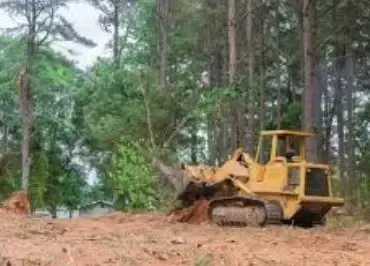
Bulldozers excel at pushing over large trees and moving substantial amounts of debris, making them ideal for heavily forested properties. Their tracks provide excellent stability on uneven terrain common throughout Arkansas. However, they can cause significant soil compaction if not operated carefully.
Excavators offer precision for selective clearing and stump removal. Their hydraulic systems generate tremendous force for pulling stumps and roots, while their mobility allows operators to work around sensitive areas or existing structures.
Forestry mulchers provide an increasingly popular option for properties with dense underbrush or smaller trees. These machines grind vegetation into mulch that can remain on-site as ground cover, reducing erosion and providing nutrients as it decomposes. On tracts that are mostly brush and small timber, brush clearing methods and costs in Jonesboro are often the cheaper route than full clearing.
Hand clearing becomes necessary for areas with limited equipment access or when working around delicate features like mature specimen trees or existing landscaping. This method requires more labor but offers the highest level of precision and control.
Selective vs. Complete Clearing Approaches
Selective clearing preserves desirable trees and natural features while removing unwanted vegetation. This approach costs more initially but can significantly increase property value by maintaining mature shade trees and natural windbreaks.
Complete clearing removes all vegetation from the designated area, providing a blank slate for development. This method typically costs less per acre but eliminates all existing natural features and may require additional landscaping expenses later.
Cost Factors and Pricing Structure
Land clearing costs in the Jonesboro area typically range from $1,500 to $5,000 per acre, with significant variation based on multiple factors. Light brush clearing on flat terrain represents the lower end of this range, while heavily forested areas with large trees and challenging terrain command premium pricing.
Vegetation density plays the primary role in cost determination. Properties with sparse brush and small trees require minimal equipment time and labor, while dense forests with mature hardwoods demand extensive machine hours and specialized equipment.
Terrain characteristics significantly impact pricing as steep slopes, rocky ground, or wet conditions slow progress and may require specialized equipment. The relatively flat terrain common around Jonesboro generally keeps costs reasonable compared to mountainous regions.
Tree size and species affect both labor requirements and disposal methods. Large oak, hickory, or pine trees common in Arkansas require more time to fell safely and generate substantial debris volumes. Some species produce valuable timber that can offset clearing costs through sale to lumber mills.
Access considerations influence equipment selection and operational efficiency. Properties with good road access allow contractors to bring in larger, more efficient equipment, while remote areas may require smaller machines that work more slowly.
Additional Cost Considerations
Permit requirements vary by location and project scope within Craighead County. Some clearing projects require erosion control permits or environmental assessments that add to overall costs but ensure compliance with local regulations.
Debris disposal methods significantly impact total project costs. On-site burning, where permitted, offers the most economical solution but requires proper safety precautions and favorable weather conditions. Hauling debris to disposal facilities increases costs but may be necessary in areas with burn restrictions.
Stump grinding represents an additional expense often not included in basic clearing quotes. Grinding stumps below ground level allows for immediate use of cleared areas but adds $75 to $400 per stump depending on size and access.
Timing and Seasonal Considerations
Arkansas weather patterns create distinct advantages for timing land clearing projects throughout the year. Late fall through early spring provides optimal conditions when trees are dormant and ground conditions remain relatively stable.
Winter months offer several advantages including dormant vegetation that's easier to handle, better visibility through bare branches, and reduced risk of disturbing wildlife during nesting seasons. However, wet weather can create muddy conditions that limit equipment access.
Summer clearing becomes challenging due to high humidity, dense foliage that obscures hazards, and active wildlife populations. However, dry summer conditions can facilitate controlled burning of debris where permitted.
Spring timing allows contractors to work before the growing season begins but requires careful scheduling around potential wet weather that's common during Arkansas spring months.
Weather Impact on Operations
Wet conditions significantly slow clearing operations as heavy equipment can become mired in soft soil. Professional contractors monitor weather forecasts carefully and may suspend operations during extended rainy periods to prevent property damage.
Drought conditions can create ideal working conditions but may trigger burn bans that eliminate on-site debris disposal options. This situation requires alternative disposal plans that can increase project costs.
Environmental and Regulatory Considerations
Arkansas environmental regulations require careful attention to erosion control and water quality protection during clearing operations. Properties near streams or wetlands may require special permits and mitigation measures.
Soil erosion prevention becomes critical on sloped terrain common throughout the region. Professional contractors implement temporary measures like silt fencing and permanent solutions such as seeding to prevent soil loss after clearing.
Wildlife habitat considerations may influence clearing timing and methods, particularly for properties containing endangered species habitats or critical wildlife corridors. Consulting with Arkansas Game and Fish Commission helps ensure compliance with wildlife protection requirements.
Local ordinances may restrict burning, require specific disposal methods, or mandate preservation of certain tree species, so confirm the rules before land clearing in Jonesboro begins. Understanding these requirements prevents costly delays or violations.
Best Practices for Environmental Protection
Implementing erosion control measures during clearing protects both the property and downstream water resources. Professional contractors use techniques like maintaining vegetated buffer strips along waterways and installing temporary erosion barriers.
Preserving topsoil during clearing operations maintains soil fertility for future landscaping or agricultural use. This practice involves careful removal and stockpiling of valuable topsoil before heavy equipment operations begin.
Choosing Professional Clearing Services
Selecting qualified contractors ensures safe, efficient clearing operations that comply with all applicable regulations. Licensed and insured professionals provide protection against liability and guarantee proper completion of work.
Experience with local conditions gives contractors valuable insight into soil types, common challenges, and regulatory requirements specific to the Jonesboro area. This knowledge translates into more accurate estimates and fewer project delays.
Equipment availability affects both project scheduling and costs. Contractors with comprehensive equipment fleets can match the right machines to specific job requirements, improving efficiency and reducing expenses.
References from recent local projects provide insight into contractor reliability, work quality, and customer satisfaction. Speaking with previous clients helps identify potential issues before committing to a service provider.
Questions to Ask Potential Contractors
Licensing and insurance verification protects property owners from liability and ensures contractors meet professional standards. Request current certificates and verify coverage amounts match project requirements.
Detailed written estimates prevent misunderstandings about project scope and costs. Quality contractors provide comprehensive proposals that outline specific services, timelines, and payment terms.
Understanding how contractors handle unexpected discoveries like buried utilities, rock formations, or wetland areas helps prevent costly surprises during project execution.
Post-Clearing Site Preparation
Site preparation following clearing sets the foundation for successful development or landscaping projects. Proper grading ensures adequate drainage and creates level building surfaces where required.
Soil testing reveals nutrient levels, pH balance, and compaction issues that may need correction before planting or construction begins. This information guides decisions about soil amendments or mechanical treatments.
Erosion control implementation becomes critical immediately after clearing when exposed soil faces maximum vulnerability to weather impacts. Temporary measures like mulching or seeding protect the site until permanent improvements are complete.
Understanding how commercial tree service protects properties helps property owners make informed decisions about which trees to preserve during the clearing process, maintaining valuable assets while achieving development goals.
Long-term Maintenance Planning
Establishing maintenance plans for cleared areas prevents costly problems like invasive species establishment or erosion damage. Regular inspection and prompt attention to emerging issues protects the investment in clearing work.
Planning future plantings or construction activities helps optimize the cleared area's potential while maintaining environmental benefits like erosion control and wildlife habitat where appropriate.
Making Informed Clearing Decisions
Successful land clearing projects in the Jonesboro area result from careful planning, appropriate contractor selection, and realistic expectations about costs and timelines. Understanding local conditions, regulatory requirements, and available methods enables property owners to make informed decisions that achieve their goals efficiently.
The investment in professional clearing services pays dividends through proper execution that avoids costly mistakes and regulatory violations. Quality contractors bring expertise, appropriate equipment, and insurance protection that safeguard both the project and the property owner's interests.
