Commercial Tree Service in Jonesboro, AR: Full Guide
Understanding Commercial Tree Service Requirements
Commercial tree service encompasses far more than residential tree care, addressing the unique challenges faced by businesses, municipalities, and large property owners. When you manage commercial property in Jonesboro, you're dealing with higher stakes, stricter regulations, and more complex logistics than typical homeowner tree maintenance.
Your commercial property requires specialized equipment, certified arborists, and comprehensive insurance coverage that most residential services simply don't carry. Commercial tree work often involves utility line clearance, large-scale removals near buildings, and coordination with city planning departments. The scale of operations demands crews with extensive experience managing traffic control, working around business hours, and handling emergency situations that could impact your operations.
Professional Commercial Tree Service providers understand that your property's appearance directly affects your business reputation. Dead, diseased, or poorly maintained trees create liability concerns and detract from your professional image. Commercial-grade service includes comprehensive tree health assessments, preventive maintenance programs, and rapid response capabilities for storm damage or emergency removals.
Commercial Tree Removal Complexity
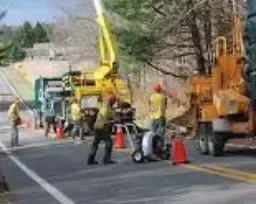
Large-scale tree removal on commercial properties involves intricate planning and specialized techniques rarely needed in residential settings. You're typically dealing with mature trees in confined spaces, near power lines, or adjacent to valuable structures. The removal process requires detailed site analysis, crane operations, and precise sectional dismantling to prevent property damage.
Commercial removals often require permits from the City of Jonesboro, particularly for trees over certain sizes or those located in designated areas. Your service provider must navigate municipal regulations, obtain proper documentation, and coordinate with local authorities. This process can take weeks for large projects, making advance planning essential for your business continuity.
Safety protocols for commercial removal exceed standard practices due to the increased risk of property damage and liability exposure. Professional crews use advanced rigging systems, specialized cutting techniques, and comprehensive safety equipment to protect your buildings, vehicles, and pedestrians. The complexity of these operations explains why commercial tree removal costs significantly more than residential services.
Liability and Insurance Considerations
Commercial property owners face substantial liability exposure related to tree maintenance and removal. Failing trees or branches can cause property damage, personal injury, or business interruption claims that exceed residential scenarios by orders of magnitude. Your insurance coverage must account for these elevated risks, and your tree service provider's insurance becomes equally critical.
Professional commercial tree services carry comprehensive general liability insurance, often exceeding $2 million per occurrence, plus workers' compensation coverage for their crews. They should provide certificates of insurance naming your business as an additional insured party. Without proper insurance verification, you could face personal liability for accidents or damage occurring during tree work on your property.
Documentation becomes crucial in commercial settings. Professional services provide detailed work proposals, photo documentation, and completion reports that protect you in case of insurance claims or legal disputes. They maintain detailed records of tree health assessments, recommended treatments, and completed work that demonstrate your due diligence in property maintenance.
Seasonal Commercial Tree Maintenance Programs
Successful commercial properties implement year-round tree maintenance programs rather than reactive approaches. Spring assessments identify winter damage, disease issues, and structural problems that could pose risks during summer storms. Early intervention prevents minor issues from becoming major hazards that disrupt your business operations.
Summer maintenance focuses on growth management, particularly for trees near buildings, power lines, or customer areas. Regular pruning maintains clearances, reduces storm damage risk, and keeps your property looking professional. Commercial properties in Jonesboro benefit from summer programs that address the region's intense heat and occasional severe weather patterns.
Fall preparations involve removing dead branches, treating disease issues, and preparing trees for winter weather. Professional services assess tree stability, recommend removals for compromised specimens, and implement protective measures for valuable trees. Winter planning sessions help you budget for upcoming year requirements and schedule major work during optimal timing.
Emergency Response and Business Continuity
Commercial properties require rapid emergency response capabilities that exceed typical residential timeframes. When storms damage trees on your property, delayed response affects customer access, employee safety, and business operations. Professional commercial services maintain emergency crews and equipment specifically for urgent commercial needs.
Your emergency response plan should include pre-established contracts with qualified commercial tree services, priority response agreements, and clear communication protocols. The best providers offer 24-hour emergency response with guaranteed response times for their commercial clients. This level of service costs more but protects your business from extended disruptions.
Emergency services extend beyond storm damage to include hazard trees that develop sudden problems, utility line conflicts, and security issues involving tree access to buildings. Professional providers assess emergency situations quickly, implement temporary safety measures, and complete permanent solutions efficiently to minimize business impact.
Municipal Regulations and Permit Requirements
Jonesboro maintains specific ordinances governing commercial tree removal, particularly for established trees or those in designated areas. Your service provider must understand local regulations, obtain required permits, and ensure compliance with city standards. Failure to follow proper procedures can result in fines, legal complications, and required replacement plantings.
Commercial developments often have landscape requirements that include tree preservation or replacement obligations. When removing trees, you may need to plant replacements meeting specific size and species criteria. Professional services help navigate these requirements and coordinate with city planners to ensure compliance throughout your project.
Street trees and those in public right-of-ways require special handling involving city approvals and oversight. Your commercial property may be responsible for maintaining trees adjacent to your business, even if they're technically on public property. Understanding these responsibilities helps you plan maintenance budgets and avoid potential conflicts with municipal authorities.
Choosing Commercial Tree Service Providers
Selecting qualified commercial tree service providers requires evaluating capabilities beyond basic tree work experience. You need contractors with commercial-grade equipment, proper insurance coverage, and proven track records with similar properties. Request references from other commercial clients and verify insurance certificates before signing contracts.
Certified arborists bring professional expertise essential for commercial properties. Look for providers with ISA (International Society of Arboriculture) certified arborists on staff who can assess tree health, recommend appropriate treatments, and provide expert testimony if needed for insurance or legal purposes. Their expertise helps you make informed decisions about tree preservation versus removal.
Consider providers offering comprehensive commercial services including regular maintenance programs, emergency response capabilities, and consulting services. The best commercial relationships involve ongoing partnerships rather than transactional interactions. Providers who understand your property's unique needs and business requirements deliver superior long-term value.
Many Jonesboro business owners also benefit from understanding emergency tree service options in Jonesboro when developing their comprehensive property management strategies.
Cost Management and Budgeting Strategies
Commercial tree service costs vary significantly based on project scope, urgency, and complexity. Regular maintenance programs typically cost less per service than emergency reactive approaches, while providing better tree health outcomes and reduced liability exposure. Developing annual maintenance budgets helps you plan for expected expenses and avoid budget surprises from emergency situations.
Consider the total cost of tree ownership when making removal versus maintenance decisions. Mature trees provide property value, aesthetic benefits, and environmental advantages that may justify higher maintenance costs. However, trees requiring extensive ongoing treatment or posing liability risks may be more cost-effective to remove and replace with appropriate species.
Group multiple services together to achieve better pricing efficiency. Scheduling pruning, removals, and treatments during the same visit reduces mobilization costs and minimizes business disruption. Professional providers often offer package pricing for comprehensive maintenance programs that deliver better value than individual service calls.
