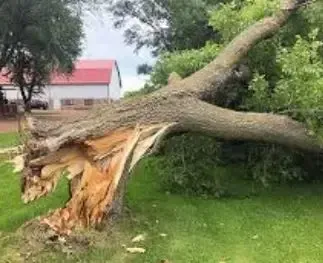
Emergency Tree Service in Jonesboro, AR: What to Know
When severe weather strikes Jonesboro, Arkansas, trees can become immediate hazards to your property and safety. Emergency tree situations demand swift action and professional expertise to prevent further damage and restore safety to your home or business. Understanding when you need emergency tree service, what it involves, and how to respond quickly can make the difference between minor inconvenience and major property damage.
Emergency tree service encompasses situations where trees pose immediate threats due to storm damage, disease, or structural failure. These scenarios require specialized equipment, trained professionals, and rapid response times that go beyond standard tree maintenance. In Jonesboro's climate, with its potential for severe thunderstorms, ice storms, and high winds, knowing how to handle tree emergencies becomes essential for property owners.
Recognizing Emergency Tree Situations
Not every tree problem constitutes an emergency, but certain situations demand immediate professional attention. A tree that has fallen across your driveway, power lines, or roof requires emergency service. Similarly, trees leaning dangerously toward structures after storm damage pose immediate risks and need prompt removal or stabilization.
Hanging or partially broken branches, especially large ones suspended over walkways, driveways, or buildings, create serious safety hazards. These situations can worsen quickly, particularly if additional weather moves through the area. Trees with exposed root systems after soil erosion or construction damage may also require emergency assessment and intervention.
Split trunks or major structural damage to tree trunks indicate potential failure and warrant emergency evaluation. Trees blocking roadways, sidewalks, or emergency vehicle access also fall under emergency service categories. In Jonesboro, where neighborhood streets can be narrow and tree-lined, blocked access routes can impact entire communities.
Power line contact or proximity represents one of the most dangerous emergency tree situations. Never attempt to handle trees near power lines yourself, as electrocution risks are severe and potentially fatal. Contact your utility company and emergency tree service simultaneously when power lines are involved.
Storm Damage Response in Jonesboro
Arkansas weather can be unpredictable, with severe thunderstorms, tornadoes, and ice storms all potential threats to trees throughout the region. After major weather events, emergency tree service providers in Jonesboro often experience high demand, making it important to understand response priorities and timing.
Immediate safety takes precedence in storm response situations. Emergency services typically prioritize trees blocking roads, threatening structures, or creating public safety hazards. If your tree situation doesn't pose immediate danger, you may need to wait for crews to handle more critical emergencies first.
Document storm damage with photographs before any work begins, as this documentation proves valuable for insurance claims. Take pictures from multiple angles showing the tree's condition, any property damage, and the overall scope of the situation. Insurance companies often require detailed documentation of emergency tree removal for coverage consideration.
The St. Francis and Cache River bottoms and surrounding areas in Jonesboro can experience flash flooding, which may affect soil stability around trees. Storm-saturated soil increases the likelihood of tree failure, even days after the initial weather event. Monitor trees on your property for signs of instability following heavy rain or flooding.
Emergency Service Response Times and Availability
Emergency tree service operates differently from scheduled tree maintenance, with companies typically maintaining 24-hour availability for genuine emergencies. Response times vary based on the severity of your situation, current demand, and weather conditions affecting crew deployment.
Life-threatening situations receive the highest priority, followed by property damage prevention scenarios. Trees blocking major roadways or emergency vehicle access also rank high on response lists. Understanding these priorities helps set realistic expectations for service arrival times during busy emergency periods.
Many Jonesboro emergency tree service providers maintain relationships with local emergency management offices and utility companies to coordinate response efforts during major events. This coordination helps ensure efficient resource allocation and prevents conflicts between different emergency response teams working in the same areas.
Seasonal factors affect emergency response in Arkansas. Ice storm season typically creates the highest emergency call volumes, as ice loading can cause widespread tree failures across the region. Summer thunderstorm season also generates significant emergency activity, though individual events may be more localized than winter ice storms.
Cost Considerations for Emergency Tree Service
Emergency tree service typically costs more than routine tree work due to several factors including after-hours response, urgent timing, and often more complex removal scenarios. However, the cost of emergency service usually proves much less than the potential property damage from delaying necessary work.
Factors affecting emergency service pricing include tree size, location complexity, power line proximity, and equipment requirements. Trees requiring crane removal or specialized rigging cost more than those accessible with standard equipment. Night or weekend response may also include premium charges for emergency availability.
Insurance coverage for emergency tree removal varies significantly between policies and circumstances. Generally, insurance covers emergency tree removal when the tree has caused property damage or poses imminent threat to insured structures. Trees that fall in your yard without hitting anything may not qualify for coverage under standard homeowner policies.
Some insurance policies include specific emergency tree service coverage limits, which may not cover the full cost of removal for large trees or complex situations. Review your policy details or contact your insurance agent to understand your coverage before emergency situations arise. This knowledge helps you make informed decisions during stressful emergency scenarios.
Safety Considerations During Tree Emergencies
Your safety and that of your family takes absolute priority during tree emergency situations. Never attempt to remove or cut emergency tree hazards yourself, as the risks of injury or death are significant. Professional emergency crews have specialized training, equipment, and experience needed to handle dangerous tree situations safely. Once the immediate hazard is cleared, what to expect from tree removal in Jonesboro covers how the rest of the job proceeds.
Stay away from damaged trees until professionals can assess and address the situation. Tree failures can happen suddenly and without warning, particularly when trees are already compromised by storm damage or structural issues. Maintain safe distances from hanging branches, leaning trees, or any tree in contact with power lines.
If trees have fallen on or near your home, exercise caution when entering or exiting the structure. Structural damage may not be immediately visible, and additional tree movement could cause further building damage. If you suspect structural compromise, consider alternative shelter arrangements until professional assessment occurs.
Carbon monoxide poisoning risks increase during power outages when people use generators, grills, or other fuel-burning devices improperly. Ensure proper ventilation for any backup power sources, and never operate generators inside homes, garages, or other enclosed spaces. Tree damage to homes can affect normal ventilation patterns, increasing these risks.
Local Emergency Tree Service Resources in Jonesboro
Jonesboro maintains several resources for residents dealing with tree emergencies, including coordination with local emergency management and utility services. The city's storm response procedures often include tree debris removal from public areas, though private property tree issues remain the responsibility of property owners.
Entergy Arkansas, the primary electrical utility serving Jonesboro, maintains emergency response protocols for trees affecting power lines. Their crews coordinate with tree service providers during major events, though they typically focus on power restoration rather than comprehensive tree removal from private properties.
The Arkansas Forestry Commission provides resources and information about tree care and emergency management, including guidance on identifying hazardous trees and emergency preparedness. Local extension offices also offer educational materials about tree health and storm preparation specific to Arkansas growing conditions.
Neighboring communities in Craighead County may share emergency response resources during major events, helping ensure adequate coverage when multiple areas experience significant tree damage simultaneously. This mutual aid approach helps communities recover more quickly from widespread storm events affecting the region.
Choosing Qualified Emergency Tree Service Providers
Selecting the right emergency tree service provider before you need them eliminates stress and ensures quality work during crisis situations. Look for companies with proper licensing, insurance, and certifications from organizations like the International Society of Arboriculture. These credentials indicate professional training and commitment to industry standards.
Established local companies often provide more reliable emergency response than fly-by-night operators who appear after major storms. Local businesses have reputations to maintain within the community and are more likely to stand behind their work. They also understand local tree species, soil conditions, and common problems specific to the Jonesboro area.
Verify that emergency service providers carry adequate liability insurance and workers' compensation coverage. Emergency tree work involves significant risks, and you want protection from potential liability if injuries or property damage occur during the removal process. Request proof of insurance before allowing work to begin on your property.
Emergency tree service providers, like Jonesboro Tree Pros should offer clear pricing structures and written estimates, even for urgent work. While emergency situations may require quick decisions, reputable companies still provide documentation of agreed-upon work and costs. Avoid contractors who demand full payment upfront or refuse to provide written agreements.
Prevention and Preparedness Strategies
Regular tree maintenance and inspection can prevent many emergency situations from developing. Annual tree assessments by qualified arborists help identify potential problems before they become emergencies. Dead branches, disease, structural defects, and root problems can often be addressed proactively through routine maintenance.
Proper tree species selection for Arkansas climate conditions reduces emergency risks over time. Native species adapted to local soil and weather patterns typically withstand storms better than non-native varieties. When planting new trees, consider mature size and placement to minimize future conflicts with structures and utilities.
Maintaining clear access routes to your property helps emergency crews respond more efficiently when needed. Emergency Tree Service providers need adequate space for equipment and vehicles, particularly cranes and bucket trucks required for complex removals. Clear access also benefits other emergency responders who may need to reach your property.
Keep important contact information readily available, including your insurance company, preferred tree service provider, and utility companies. During stressful emergency situations, having this information easily accessible saves valuable time and reduces confusion. Consider storing this information both digitally and in written form in case power outages affect electronic devices.
Post-Emergency Recovery and Follow-up
After emergency tree service addresses immediate safety concerns, additional work may be necessary to fully restore your property and prevent future problems. Storm-damaged trees may require ongoing monitoring for delayed failure, especially if partial removal or trimming occurred during initial emergency response.
Property restoration following tree emergencies often involves multiple contractors beyond tree service providers. Roofing, siding, landscaping, and other specialists may be needed depending on the scope of damage. Coordinate these efforts carefully to ensure all work is properly documented for insurance purposes.
Consider replanting strategies for areas where emergency tree removal has occurred. Removing large mature trees affects property aesthetics, privacy, and environmental benefits like shade and windbreak protection. Professional landscape design can help restore these benefits while incorporating lessons learned from the emergency situation.
Review and update your emergency preparedness plans based on your experience with tree emergencies. Consider what worked well and what could be improved for future situations. This analysis might include updating contact lists, improving property access, or modifying landscape management practices to reduce future risks.
