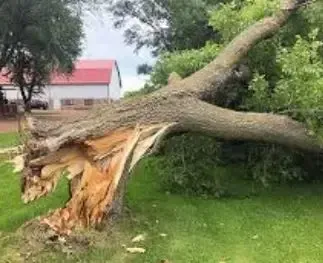
Emergency Tree Removal After a Storm in Jonesboro AR
When a storm knocks a tree onto your property in Jonesboro, AR, your first priority is safety — not cleanup. Move everyone away from the tree, avoid downed power lines, and call 911 if there is an immediate hazard. Once the scene is safe, contact a licensed emergency tree removal company. Document the damage with photos before any work begins, and notify your homeowner's insurance provider. Most professional crews in Jonesboro can respond within hours after a major storm event. Acting quickly reduces further structural damage to your home, vehicle, or fence.
What Should You Do Immediately After a Tree Falls on Your Property?
Your first action after a tree falls is to get everyone inside or away from the area. Falling limbs, unstable root plates, and tension wood can shift without warning, even after the storm has passed. If the tree has contacted a power line, treat every wire as live and call Entergy Arkansas immediately — do not attempt to move the tree yourself. Once the area is secured, photograph every angle of the damage for your insurance claim. Write down the time the storm hit and note any visible damage to structures. This documentation matters when you file your claim and when you coordinate with your Emergency Tree Service provider.
How Do You Find a Reliable Emergency Tree Company in Jonesboro After a Storm?
After a major storm in Jonesboro — whether it's a spring derecho, a severe thunderstorm, or an ice event — demand for emergency tree crews spikes fast. Out-of-state contractors, sometimes called storm chasers, move into the area offering quick service at inflated prices with no local accountability. To protect yourself, look for companies with a verified Jonesboro or Craighead County address, a valid Arkansas contractor license, and liability insurance you can confirm independently. Ask for a written estimate before any chainsaw touches your property. Local companies with an established reputation in the Jonesboro market are more likely to stand behind their work and be reachable if problems arise afterward.
What Does the Emergency Tree Removal Process Actually Look Like?
When a certified crew arrives, they assess the situation before cutting anything. They identify tension and compression zones in the fallen wood — areas where cutting in the wrong sequence can cause the tree to roll, kick back, or snap unpredictably. If the tree is resting on a roof, the crew secures the structure before relieving the load. Large trunks are sectioned from the top down, with debris cleared in stages. Root balls are typically left for a separate scheduled removal if the soil is saturated and heavy equipment would damage the yard further. Most residential emergency removals in Jonesboro are completed within a few hours, though large specimen trees or multi-tree damage from a significant storm event may take longer.
Will Your Insurance Cover Emergency Tree Removal in Jonesboro?
Coverage depends on what the tree hit and what caused it to fall. In most standard homeowner policies, if a tree falls on your house, garage, fence, or another covered structure, the removal and repair costs are partially covered — typically up to a policy-specific sublimit for debris removal. If the tree falls in your yard without hitting a structure, most policies do not cover the removal cost. Document everything before cleanup begins. Your adjuster will want to know whether the tree was healthy prior to the storm or whether negligence was a factor. Knowing how to assess tree damage after a Jonesboro storm can help you communicate clearly with your insurer and support your claim.
What Are Common Mistakes Homeowners Make After Storm Tree Damage?
The most common mistake is attempting DIY removal on a tree that is under tension or resting on a structure. Even small trees can behave unpredictably when they are partially lodged against a roof or fence. Another frequent error is signing a contract with a storm-chasing crew before verifying their credentials — some collect a deposit and disappear. Waiting too long is also a problem. In Jonesboro's humid summer climate, a damaged tree left in contact with a structure can accelerate rot and moisture intrusion within days. Delaying cleanup also leaves your yard exposed to secondary hazards like carpenter ants and wood decay fungi that move quickly into freshly damaged wood.
Are There Local Considerations Specific to Jonesboro Storm Events?
Jonesboro sits in the Mississippi Alluvial Plain, where soils can become heavily saturated during spring storm seasons. Saturated clay-based soils in Craighead County dramatically reduce root anchorage, which is why uprooting is so common here even in winds that wouldn't topple a tree in drier regions. Jonesboro also experiences a range of storm types — isolated severe thunderstorms, squall lines, and occasional tornadic activity — each creating different damage patterns. Straight-line wind damage typically snaps trunks mid-canopy, while tornadic damage is more chaotic with trees scattered in multiple directions. Understanding the storm type helps crews prioritize and plan removal sequences more efficiently, especially when multiple properties in a neighborhood like Brookfield Estates or Highland Crossing are affected simultaneously.
When Is It Safe to Return to Normal After Emergency Tree Removal?
Once the tree is removed and debris is cleared, have a qualified arborist inspect neighboring trees before resuming normal outdoor activity. Storm events that topple one tree often stress surrounding trees — cracking root systems, splitting lateral branches, or destabilizing the lean of trees that appeared intact. In Jonesboro neighborhoods with mature oak and pecan canopies, a single storm can leave several trees in a compromised state that isn't immediately visible. A post-storm inspection gives you a clear picture of what additional work is needed and helps you plan any necessary removals or pruning before the next severe weather season arrives.
