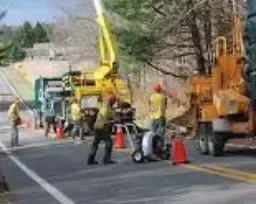
Commercial Tree Risk in Jonesboro: What Owners Must Know
Commercial property owners in Jonesboro, AR face significant liability exposure from trees on their premises. When trees fail, property damage, personal injury claims, and business interruption can result in substantial financial losses. Arkansas law holds property owners responsible for maintaining trees in a reasonably safe condition, making proactive tree risk assessment and management essential for protecting your business assets and avoiding costly litigation.
What Legal Responsibilities Do Jonesboro Commercial Property Owners Have?
Arkansas follows the "reasonable care" standard for tree liability on commercial property. You must inspect trees regularly and address obvious hazards that could cause harm to people or property. This duty extends to trees along sidewalks, parking areas, and anywhere the public might be present on your property.
The legal standard focuses on whether a reasonable property owner would have identified the risk. Dead branches, leaning trunks, root damage, and disease symptoms create liability if you knew or should have known about the condition. Documentation of your maintenance efforts becomes crucial evidence if claims arise.
Jonesboro's municipal code requires property owners to maintain trees that overhang public areas. Failure to address hazardous conditions can result in citations and increased liability exposure when accidents occur.
Which Tree Conditions Create the Highest Risk for Commercial Properties?
Dead or dying trees pose immediate liability concerns. These trees lose structural integrity unpredictably, with failure occurring during normal weather conditions. Large dead branches suspended over walkways, parking areas, or buildings create particularly dangerous situations.
Structural defects develop gradually but create serious hazards. Trunk decay, co-dominant stems with weak attachments, and root system damage compromise tree stability. These conditions often aren't visible without professional assessment, making regular inspections essential.
Storm damage accumulates over time in Jonesboro's climate. Wind, ice, and heavy rain stress trees beyond their limits. Commercial Tree Service professionals can identify compromised trees before they fail during the next weather event.
Disease and pest infestations weaken trees systematically. Oak wilt, pine beetle infestations, and fungal infections spread through tree populations, creating multiple failure points across your property. Early intervention prevents widespread tree loss and associated liability risks.
How Should You Document Tree Conditions for Liability Protection?
Professional tree risk assessments provide the strongest legal protection. Certified arborists document tree conditions using standardized methodologies, creating records that demonstrate your reasonable care efforts. These assessments identify specific risks and recommended actions with timelines.
Photographic documentation supports your maintenance records. Date-stamped photos showing tree conditions before and after maintenance work establish your proactive approach to risk management. Include images of the full tree, specific defects, and completed work.
Maintenance logs track your ongoing tree care activities. Record inspection dates, identified issues, completed work, and follow-up schedules. This documentation pattern demonstrates consistent attention to tree safety rather than reactive responses to obvious problems.
Professional work orders and invoices verify that qualified contractors performed tree services. Keep records showing the scope of work, materials used, and certifications of workers who performed the services.
What Insurance Considerations Apply to Commercial Tree Risk?
General liability insurance typically covers tree-related property damage and injury claims, but coverage depends on demonstrating reasonable maintenance practices. Insurers may deny claims if they determine negligent tree care contributed to the incident.
Property insurance covers damage to your own buildings and structures from tree failures. However, coverage for tree removal and replacement varies significantly between policies. Review your coverage limits for debris removal and landscaping restoration.
Commercial umbrella policies provide additional protection for large tree-related claims. When a falling tree causes extensive property damage or serious injuries, basic liability limits may prove insufficient. Umbrella coverage kicks in above your primary policy limits.
Some insurers offer premium discounts for properties with documented tree management programs. Regular professional assessments and preventive maintenance demonstrate risk reduction efforts that may qualify for reduced premiums.
How Do Weather Events Affect Tree Liability in Arkansas?
Arkansas weather creates predictable tree stress patterns that inform liability assessments. Ice storms load branches beyond their capacity, while summer storms bring high winds that exploit existing structural weaknesses. Courts consider whether tree failures resulted from foreseeable weather conditions.
The "Act of God" defense applies only to extraordinary weather events that exceed normal expectations. Routine thunderstorms, typical ice loads, and seasonal wind patterns don't excuse property owners from maintaining trees in reasonably safe condition.
Post-storm inspections become legally significant after severe weather events. Trees that survive initial storms often sustain hidden damage that leads to delayed failures. Documenting your inspection and response efforts protects against future liability claims.
Emergency response procedures should address immediate hazards while preserving evidence for insurance claims. what commercial tree service includes in Jonesboro encompasses emergency response protocols that balance safety concerns with proper documentation.
What Professional Services Reduce Commercial Tree Liability?
Certified arborists provide qualified tree risk assessments using industry-standard methodologies. Their professional opinions carry significant weight in legal proceedings and insurance investigations. Regular assessments every 2-3 years establish ongoing risk management efforts.
Tree removal services eliminate high-risk trees before they cause damage. Professional removal ensures safe procedures and complete cleanup while documenting the reasons for removal. Permit requirements in Jonesboro may apply to certain tree removals.
Pruning services address specific hazards while preserving valuable trees. Professional pruning removes dead wood, reduces wind load, and corrects structural defects that contribute to tree failures. Proper pruning techniques avoid creating new hazards.
Consulting services help develop comprehensive tree management plans for large commercial properties. These plans prioritize risks, establish maintenance schedules, and create budget projections for ongoing tree care needs.
When Should You Consult Legal Counsel About Tree Issues?
Boundary line disputes involving trees require legal guidance before taking action. Arkansas law addresses tree ownership and maintenance responsibilities differently depending on property boundaries and tree locations. Improper actions can create liability rather than reduce it.
Neighbor complaints about tree conditions may indicate potential liability exposure. Document the complaints and consult legal counsel about your obligations and potential responses. Some situations require immediate action while others may be unfounded.
After incidents involving tree failures, legal consultation helps protect your interests during investigations and claim processes. Early legal involvement ensures proper evidence preservation and communication with insurers and other parties.
Municipal citations related to tree conditions require prompt legal response. These citations often indicate significant liability risks and may lead to enforcement actions if not addressed properly.
