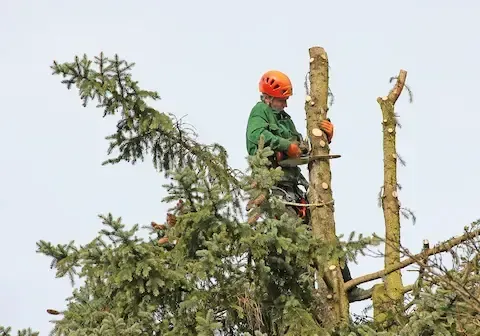
How to Know If a Tree Needs Removal in Jonesboro AR
A tree typically needs removal when it shows signs of structural instability, extensive disease, or poses safety risks to people and property. In Jonesboro, AR's climate, key warning signs include dead or dying branches covering more than 25% of the canopy, significant lean toward structures, visible decay at the base, and root damage from construction or storms. Professional assessment is recommended when multiple warning signs appear together.
What are the most obvious signs a tree is dying or diseased?
Dead or dying trees present clear visual indicators that homeowners can identify. Look for branches without leaves during growing season, brittle bark that falls off easily, and fungal growth around the base or on the trunk. In Jonesboro's humid climate, fungal infections spread quickly through compromised trees.
Pest infestations also signal tree decline. Emerald ash borer and other invasive species have affected many Arkansas trees in recent years. You'll notice small holes in the bark, sawdust-like material around the base, and woodpecker damage as birds seek insects living in dying wood.
Crown dieback represents another serious warning sign. When more than 25% of a tree's canopy shows dead branches, the tree's vascular system likely cannot support healthy growth. This condition often indicates root problems or systemic disease that may require Tree Removal to prevent property damage. Many of these problems show up long before they become obvious, so it is worth learning the early warning signs of a sick tree in Jonesboro while treatment is still an option.
How dangerous is a leaning tree in your yard?
Not every leaning tree requires immediate removal, but sudden lean changes indicate serious problems. Trees naturally grow toward sunlight and may develop slight leans over time. However, rapid lean development, especially after storms common in Northeast Arkansas, suggests root failure or structural damage.
Measure lean severity by observing the angle from vertical. Trees leaning more than 15 degrees toward structures, power lines, or high-traffic areas pose significant risks. Root exposure on the opposite side of the lean confirms soil displacement and compromised stability.
Storm damage compounds lean risks in Jonesboro's weather patterns. High winds, ice storms, and heavy rains can destabilize previously stable trees. If you notice fresh cracks in soil around the base or exposed roots after severe weather, contact a certified arborist immediately for safety assessment.
When do root problems require tree removal?
Root system damage often remains hidden until trees become unstable. Construction activities, soil compaction, and grade changes around existing trees frequently damage critical root zones. In Jonesboro's clay soils, poor drainage can cause root rot in susceptible species.
Visible signs of root problems include mushroom growth near the base, indicating decay in root systems. Girdling roots that wrap around the trunk restrict nutrient flow and weaken tree structure over time. These conditions typically worsen without intervention.
Excavation damage from utility work or foundation repairs can sever major roots, compromising tree stability. Trees require approximately 80% of their root system to remain viable. When construction removes significant root mass, removal becomes necessary to prevent future hazards.
What structural defects make trees unsafe?
Structural defects in tree architecture create unpredictable failure points. Codominant stems with weak attachment points commonly fail during storms. These competing leaders lack the strong attachment found in single-trunk trees with proper branch structure.
Hollow trunks may appear stable but provide insufficient structural support. While some tree species tolerate internal decay, extensive hollowing reduces load-bearing capacity below safe levels. Professional assessment determines whether hollow trees can remain safely in residential settings.
Large dead branches, called widow makers, pose immediate hazards to people and property. These branches can fall without warning, regardless of weather conditions. The presence of multiple large dead branches indicates declining tree health and increased removal urgency.
Understanding the full tree removal process in Jonesboro helps homeowners prepare when professional assessment confirms removal necessity.
How do location and proximity affect removal decisions?
Tree placement relative to structures, utilities, and traffic areas significantly influences removal decisions. Trees within falling distance of homes, power lines, or frequently used areas require lower risk tolerance than those in open spaces.
Jonesboro's mature neighborhoods often feature large trees planted decades ago when lots had different structures. Home additions, pool installations, and landscape changes may place previously safe trees in hazardous positions relative to new improvements.
Species selection also matters for location appropriateness. Large-growing species planted too close to foundations can cause structural damage through root growth or branch contact. Municipal regulations may require removal of certain species that interfere with public utilities or safety.
What seasonal factors influence removal timing in Arkansas?
Seasonal considerations affect both tree assessment accuracy and removal logistics. Late fall through early spring provides the best visibility of tree structure without leaf cover obscuring defects. Dormant season removal also minimizes stress on surrounding landscape plants.
Arkansas weather patterns create optimal removal windows. Ice storm damage becomes apparent after storms pass, while tornado season in spring may reveal wind damage requiring prompt attention. Summer heat stress can accelerate decline in already compromised trees.
Nesting birds protected by federal regulations restrict removal timing from March through August. Planning removal during appropriate seasons prevents legal complications and ensures compliance with wildlife protection requirements.
