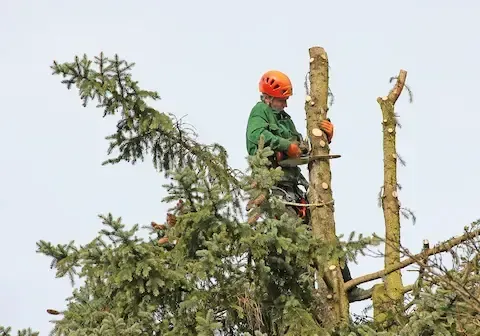
Tree Removal Cost in Jonesboro, AR: Full Breakdown
Tree removal in Jonesboro, AR typically costs between $300 and $1,800, depending on the size of the tree, its location on your property, and how complex the job is. Small trees under 30 feet often run $300–$500. Medium trees between 30 and 60 feet generally cost $500–$900. Large trees over 60 feet can reach $1,000–$1,800 or more. Emergency removals, trees near power lines, or heavily leaning trees add to the total. Most Jonesboro homeowners pay around $650 for a standard removal. Getting multiple quotes from licensed local arborists is the best way to confirm your specific cost.
What Does Tree Removal Cost in Jonesboro, AR?
Most residential tree removals in Jonesboro fall into three size-based pricing tiers. Small trees—think ornamental pears, dogwoods, or young oaks under 30 feet—typically cost $300 to $500. Mid-sized trees between 30 and 60 feet, such as mature maples or elms, usually run $500 to $900. Large trees over 60 feet, including old-growth oaks, pecans, and silver maples common across Craighead County, can cost anywhere from $1,000 to $1,800 or more.
These are estimates for a straightforward removal with good access. Prices shift based on several factors covered below. For an accurate quote tailored to your property, contact Tree Removal professionals in Jonesboro who can assess the job in person.
What Factors Drive Tree Removal Costs Up or Down?
Several variables influence the final price beyond just tree height:
- Tree diameter: A wide trunk means more wood mass, longer cutting time, and heavier debris. A 24-inch trunk costs significantly more to remove than a 10-inch trunk at the same height.
- Location on the property: Trees in open yards with easy equipment access cost less. Trees wedged between a fence and your home, or close to a structure, require more careful rigging and directional cutting.
- Tree condition: Dead or diseased trees can be brittle and unpredictable, increasing risk and labor time. Storm-damaged trees with hanging limbs add a hazard surcharge.
- Root system and stump: Standard quotes often exclude stump grinding. Stump removal in Jonesboro typically adds $75 to $300 depending on diameter.
- Debris removal: Some contractors haul everything away; others leave wood chips or logs on-site. Confirm what's included before signing a contract.
Does Tree Location on Your Property Change the Price?
Yes, significantly. A 50-foot oak in the middle of your backyard with open space on all sides is far easier to remove than the same tree planted three feet from your foundation or overhanging a neighbor's fence. In tight Jonesboro neighborhoods—particularly older areas near downtown or established subdivisions in the 72401 and 72404 zip codes—limited access often means crews must hand-climb and rig sections down rather than use a bucket truck or crane, which increases labor costs.
Trees near utility lines are another category. Arkansas utility easements allow power companies to trim, but full removal near live lines requires coordination and may involve additional fees or waiting periods. Your arborist should identify line proximity during the initial assessment.
Are There Additional Fees You Should Know About?
Several line items can appear on a tree removal invoice that aren't always included in the base quote:
- Stump grinding: Usually billed separately at $2–$4 per inch of diameter.
- Log splitting: If you want firewood from the removed tree, some companies charge a splitting fee; others include it.
- Emergency or after-hours service: Storm damage calls in Jonesboro—especially after severe weather common in northeast Arkansas—can carry a 25–50% premium over standard rates.
- Permit fees: Jonesboro may require permits for certain removals. Learn more about permit requirements for tree removal in Jonesboro before your project begins to avoid fines or delays.
- Travel fees: Companies based outside Jonesboro may add a mileage charge. Using a locally based crew generally eliminates this.
Is It Cheaper to Remove a Tree Yourself in Jonesboro?
DIY removal is only cost-effective for very small, isolated trees—typically under 15 feet with no nearby structures, fences, or utilities. Even then, you need a chainsaw, safety gear, and knowledge of felling direction and escape routes. In Jonesboro's typical residential lots, the combination of neighboring properties, overhead utilities, and mature tree sizes makes DIY removal genuinely dangerous for most homeowners.
Hiring a licensed, insured arborist protects you from liability if something goes wrong. If a contractor without insurance damages your home or a neighbor's property, you could be held financially responsible. Always verify that any company you hire carries both general liability insurance and workers' compensation coverage before work begins.
How Do You Get an Accurate Quote in Jonesboro?
Getting an accurate quote requires an in-person assessment, not just a phone estimate based on tree height. When you contact a Jonesboro arborist, expect them to evaluate:
- Tree species and overall health
- Height and trunk diameter at chest height
- Proximity to structures, fences, and utility lines
- Soil conditions and whether the root system poses any complications
- Equipment access—can a bucket truck or crane reach the tree?
Get at least two to three quotes before committing. In Jonesboro and across Craighead County, prices among reputable companies can vary by $200–$400 for the same job, so comparison shopping is worthwhile. Ask each company whether their quote includes debris hauling, stump removal, and cleanup—or whether those are add-ons.
When Is the Best Time of Year to Remove a Tree in Jonesboro?
Late fall and winter are traditionally the most affordable times for tree removal in northeast Arkansas. Demand drops after the growing season, crews have more availability, and deciduous trees without leaves are easier to assess and work around. Dormant season removal also reduces the spread of certain fungal diseases common to oaks and elms in the region.
That said, if a tree poses an immediate safety risk—storm damage, severe lean, or visible decay near your home—don't wait for a seasonal price dip. Emergency removal exists for a reason, and delaying a hazardous tree removal can result in much larger costs if the tree falls.
