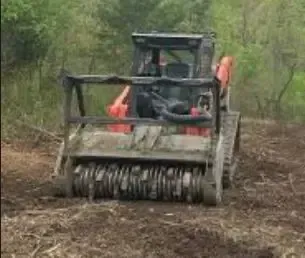
Forestry Mulching in Jonesboro, AR: Benefits and Process
Forestry mulching transforms dense vegetation into beneficial ground cover through a single-pass process that's revolutionizing land management across Northeast Arkansas. This specialized technique uses powerful equipment to cut, grind, and distribute organic material directly onto the soil surface, creating an efficient solution for property owners dealing with overgrown areas, invasive species, or land development needs.
Unlike traditional clearing methods that require multiple machines and disposal trips, forestry mulching accomplishes vegetation removal and soil preparation simultaneously. The process works particularly well in Jonesboro's diverse landscape, where properties often contain mixed hardwoods, underbrush, and varying terrain that would challenge conventional clearing approaches.
Understanding the Forestry Mulching Process
Forestry mulching relies on specialized equipment called forestry mulchers or brush hogs, which feature a rotating drum equipped with carbide-tipped teeth or hammers. As the machine moves across the terrain, these cutting implements shred vegetation into small pieces that fall directly to the ground as mulch.
The mulching head can handle trees up to 8 inches in diameter, depending on the machine specifications, while simultaneously processing understory vegetation, brush, and small saplings. Operators can adjust cutting height and mulch distribution patterns based on specific property needs and future land use plans.
This process creates a layer of organic mulch typically 2-4 inches deep, which immediately begins providing soil benefits. The mulched material retains moisture, suppresses weed growth, and gradually decomposes to improve soil structure and fertility. Properties in the Jonesboro area often see improved drainage and reduced erosion within the first growing season after mulching.
The equipment can navigate slopes up to 45 degrees and work around existing trees or structures that property owners want to preserve. This precision makes forestry mulching ideal for selective clearing projects where maintaining certain vegetation is important for aesthetics or environmental reasons.
Primary Benefits for Jonesboro Properties
Forestry mulching delivers immediate and long-term advantages that make it particularly valuable for Northeast Arkansas properties. The process eliminates the need for burning permits, which can be difficult to obtain during Arkansas's fire season restrictions, especially in areas near Crowley's Ridge State Park or residential neighborhoods.
Cost efficiency represents a major benefit, as the single-pass process reduces labor hours and equipment needs compared to traditional cut-and-haul methods. Property owners avoid disposal fees and don't need to coordinate multiple contractors or equipment types. The time savings can be substantial - areas that might take weeks to clear conventionally can often be completed in days with forestry mulching.
Environmental benefits include immediate erosion control and soil improvement. The mulch layer protects soil from Arkansas's intense summer rains and helps maintain moisture during dry periods. This is particularly valuable in Jonesboro's clay-heavy soils, which can become compacted or suffer from poor drainage without organic matter incorporation.
Fire risk reduction occurs naturally as the mulching process eliminates the accumulation of dry brush and deadfall that can fuel wildfires. The resulting mulch layer actually increases fire resistance compared to areas with heavy undergrowth, making this an excellent choice for properties in rural areas outside Jonesboro's city limits.
Wildlife habitat improvement happens gradually as the mulched areas provide better growing conditions for native plants while reducing invasive species competition. Many property owners report improved wildlife visibility and movement patterns within months of mulching completion.
Ideal Applications and Site Conditions
Forestry mulching works exceptionally well for specific situations common in the Jonesboro area. Land development preparation represents the most frequent application, as developers need efficient vegetation removal that leaves soil stable and ready for construction activities.
Utility right-of-way maintenance benefits significantly from forestry mulching, particularly along the numerous power line corridors that cross Craighead County. The process creates a maintained corridor that requires less frequent attention than areas cleared by other methods, as the mulch layer suppresses regrowth of problematic species.
Agricultural land reclamation projects see excellent results with forestry mulching. Farmers looking to expand cultivation areas or improve pasture land find that the mulch layer provides immediate soil benefits while eliminating years of brush-cutting maintenance. The organic matter incorporation helps improve Arkansas's challenging clay soils.
Residential property improvement projects, particularly on larger lots common in rural areas around Jonesboro, benefit from forestry mulching's precision and aesthetic results. Homeowners can clear overgrown areas while maintaining mature trees and creating attractive, park-like settings.
Properties with invasive species problems, such as autumn olive or multiflora rose infestations, see excellent long-term control through forestry mulching combined with follow-up treatments. The mulch layer creates conditions that favor native vegetation recovery.
When to Choose Alternative Methods
Forestry mulching isn't appropriate for every clearing situation. Properties with extremely large trees, typically over 8 inches in diameter, require conventional cutting and removal before mulching can proceed effectively. Tree removal specialists should handle hazardous trees near structures or power lines before mulching operations begin.
Sites requiring immediate replanting or construction may need traditional clearing methods that remove all organic matter. While the mulch layer provides excellent soil benefits, it can interfere with precise grading or immediate seeding operations. what land clearing costs in Jonesboro, AR varies significantly based on the method selected and site requirements.
Properties with significant amounts of trash, metal debris, or concrete require cleanup before forestry mulching can proceed safely. The mulching equipment can be damaged by hidden debris, so thorough site inspection and preparation becomes essential.
Wetland areas or sites with environmental restrictions may require permits or alternative approaches. While forestry mulching typically has lower environmental impact than other clearing methods, sensitive areas near streams or protected habitats need careful evaluation before proceeding.
Common Misconceptions and Limitations
Many property owners assume forestry mulching will immediately eliminate all vegetation permanently. In reality, the process requires follow-up maintenance, particularly in the first two years as some root systems may regrow. However, the mulch layer significantly reduces regrowth compared to areas cleared by cutting alone.
Weather dependencies affect forestry mulching operations more than some property owners expect. Wet conditions can make sites inaccessible or cause soil compaction issues. Arkansas's unpredictable spring weather patterns sometimes delay project timing, particularly in low-lying areas common around Jonesboro.
Equipment access requirements are often underestimated. Forestry mulchers need adequate space to maneuver and may require temporary access roads or bridges for stream crossings. Properties with limited access points may need preliminary work before mulching can begin.
The visual appearance immediately after mulching can surprise property owners accustomed to clean-cut clearing results. The mulched material creates a rough, organic appearance that improves over time as weather and decomposition create a more finished look.
Local Considerations for Northeast Arkansas
Jonesboro's location in the Mississippi River Delta region creates specific conditions that affect forestry mulching operations. The area's clay-heavy soils can become challenging during wet periods, requiring careful timing of mulching operations to avoid soil compaction or equipment accessibility issues.
Crowley's Ridge geography influences drainage patterns and vegetation types throughout the region. Properties on the ridge itself typically have better drainage and different vegetation composition compared to delta bottomland areas, affecting both mulching approach and results.
Local wildlife considerations include nesting seasons for various bird species protected under state and federal regulations. Spring mulching operations may require timing adjustments to avoid disturbing active nests, particularly in areas with significant hardwood components.
Arkansas's growing season extends later into fall than many northern regions, meaning vegetation remains active longer and may regrow more aggressively after mulching. This factor influences both timing recommendations and follow-up maintenance scheduling.
Professional Implementation and Results
Successful forestry mulching requires experienced operators who understand equipment capabilities and local conditions. Professional Forestry Mulching services assess site conditions, identify potential challenges, and develop appropriate operation plans before beginning work.
Project planning includes evaluating soil conditions, identifying trees or features to preserve, and determining optimal mulching patterns for the intended land use. Experienced operators can adjust techniques based on vegetation types, terrain characteristics, and property owner goals.
Quality results depend on proper equipment maintenance and operator skill in managing cutting depth, travel speed, and mulch distribution patterns. Professional services ensure consistent results and can handle unexpected conditions that arise during operations.
Follow-up recommendations typically include monitoring for regrowth, spot treatments of persistent species, and timing for any additional land management activities. Professional services often provide ongoing maintenance programs to ensure long-term success of the initial mulching investment.
Long-term Property Benefits
Forestry mulching creates lasting improvements that extend well beyond the initial clearing operation. Properties in the Jonesboro area typically show continued soil improvement over several years as the organic mulch decomposes and integrates with existing soil structure.
Maintenance requirements decrease significantly compared to properties cleared by other methods. The mulch layer suppresses most weed growth and reduces the vigor of regrowth from remaining root systems. Annual maintenance often involves only spot treatments rather than comprehensive clearing operations.
Property values often increase following professional forestry mulching, particularly on larger tracts where the improved accessibility and reduced fire risk appeal to potential buyers. The parklike appearance created by selective mulching around mature trees provides immediate aesthetic enhancement.
Future development flexibility improves as the mulched areas can support various land uses with minimal additional preparation. Whether for agriculture, construction, or recreational use, the stabilized soil and controlled vegetation provide an excellent foundation for future property improvements.
