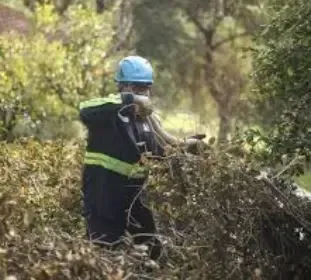
Brush Clearing in Jonesboro, AR: Methods, Costs and Timing
Overgrown brush on your property creates multiple challenges that extend beyond simple aesthetics. Dense vegetation harbors pests, increases fire risks, blocks access routes, and can violate local ordinances in Jonesboro. Professional brush clearing transforms unusable land into functional space while addressing safety concerns and property value issues.
Understanding Brush Clearing Methods
Several techniques exist for removing unwanted vegetation, each suited to different property conditions and goals. Mechanical clearing uses heavy equipment like bulldozers and brush hogs to remove large areas quickly. This method works best for extensive properties with thick, mature growth but requires adequate access for machinery.
Hand clearing involves chainsaws, brush cutters, and manual tools for precise removal around structures or sensitive areas. This approach takes longer but preserves desirable plants and prevents soil compaction. Chemical treatment applies herbicides to kill vegetation before removal, effective for persistent species but requires careful application to avoid environmental impact.
Controlled burning removes brush through planned fires under specific weather conditions. This traditional method works well for large rural properties but requires permits and professional oversight. Goat clearing uses livestock to consume vegetation naturally, an eco-friendly option for moderate brush problems without steep terrain.
Cost Factors in Brush Removal
Multiple variables influence brush clearing expenses in the Jonesboro area. Property size represents the primary cost driver, with most contractors charging per acre. Typical rates range from $500 to $2,000 per acre depending on density and accessibility.
Vegetation density and type significantly impact pricing. Light brush with small saplings costs less to clear than mature trees mixed with thick undergrowth. Thorny species like multiflora rose or invasive plants require additional time and specialized equipment.
Terrain accessibility affects equipment selection and labor requirements. Properties with steep slopes, wet areas, or limited access increase costs due to specialized machinery needs or additional hand work. Distance from disposal sites also influences pricing, as debris removal represents a significant expense component.
Disposal requirements vary based on debris type and local regulations. Burning on-site reduces costs where permitted, while hauling to approved facilities increases expenses. Some materials can be chipped for mulch or firewood, potentially offsetting removal costs.
Seasonal Timing Considerations
Late fall through early spring provides optimal conditions for brush clearing in Arkansas. Dormant vegetation is easier to cut and handle, while cooler temperatures improve working conditions. Wildlife activity decreases during winter months, reducing environmental disruption.
Spring clearing before nesting season begins protects bird populations while allowing immediate property use. However, wet soil conditions may limit heavy equipment access during peak spring months around Jonesboro.
Summer clearing works well for immediate needs but presents challenges. High temperatures stress workers and increase fire risks during dry periods. Dense foliage makes identifying valuable plants more difficult, potentially leading to unwanted removal.
Winter offers ideal conditions for brush clearing projects. Frozen ground supports heavy machinery while dormant plants are clearly visible. Snow cover can complicate access but typically melts quickly in Arkansas's moderate climate.
Weather Pattern Impact
Arkansas weather patterns significantly influence clearing schedules. The region's humid subtropical climate creates distinct wet and dry seasons that affect both vegetation growth and equipment accessibility.
Spring rains often saturate soil, making wheeled equipment impractical until ground conditions improve. Summer drought periods create excellent working conditions but increase fire precautions and dust control measures.
Equipment Requirements and Selection
Brush clearing demands appropriate equipment selection based on vegetation type and property characteristics. Brush hogs handle light to moderate growth effectively, cutting stems up to three inches in diameter while mulching material into small pieces.
Forestry mulchers excel at processing mixed vegetation including small trees and dense brush. These machines grind material into mulch that decomposes naturally, eliminating disposal needs while improving soil conditions.
Excavators with brush cutting attachments provide precise control for selective clearing around structures or utilities. Track-mounted units access soft ground conditions better than wheeled equipment.
Hand tools remain essential for detail work and sensitive areas. Professional-grade chainsaws, brush cutters, and loppers allow selective removal while preserving desirable vegetation.
Permit and Regulatory Requirements
Jonesboro and Craighead County maintain specific regulations governing brush removal activities. Urban properties may require permits for extensive clearing, especially near water bodies or protected areas.
Wetland regulations apply to properties with seasonal flooding or standing water. Federal and state agencies regulate activities affecting wetland areas, requiring environmental assessments before major clearing projects.
Burn permits become necessary for on-site disposal through controlled burning. Arkansas Forestry Commission issues permits based on weather conditions, fuel moisture, and fire danger ratings.
Utility clearance requirements mandate notification before clearing near power lines or underground services. Contact Arkansas One Call before beginning any excavation or clearing activities.
Environmental Considerations
Erosion control measures protect soil stability during and after brush removal. Steep slopes require immediate seeding or mulching to prevent washouts during heavy rains common in Arkansas.
Wildlife habitat preservation balances clearing needs with environmental stewardship. Leaving buffer zones near water sources and maintaining some cover areas supports local wildlife populations.
Property Preparation and Planning
Successful brush clearing begins with thorough property assessment and goal definition. Mark property boundaries clearly to avoid disputes with neighbors and ensure compliance with setback requirements.
Identify utilities, septic systems, and underground infrastructure before equipment operation. Utility strikes cause expensive damage and potential safety hazards during clearing operations.
Determine which vegetation to preserve versus remove. Mature shade trees, ornamental plantings, and erosion-controlling plants often merit protection during brush removal.
Access route planning ensures equipment can reach work areas safely and efficiently. Temporary bridges or matting may be necessary to cross streams or protect sensitive ground areas.
Common Brush Clearing Mistakes
Inadequate planning leads to numerous problems during brush clearing projects. Failing to identify underground utilities results in costly repairs and project delays. Property line disputes arise when boundaries aren't clearly established before work begins.
Improper equipment selection increases costs and reduces effectiveness. Using undersized equipment for heavy brush extends project timelines while oversized machinery damages soil unnecessarily.
Ignoring erosion control creates long-term problems on cleared slopes. Arkansas's heavy rainfall patterns require immediate soil stabilization measures following vegetation removal.
Seasonal timing errors complicate projects significantly. Clearing during nesting season violates wildlife protection regulations while wet season work creates access problems and soil compaction.
Understanding how land clearing projects handle vegetation helps property owners avoid these common pitfalls and achieve better results from their clearing investment.
Professional Service Selection
Choosing qualified contractors ensures safe, efficient brush clearing results. Licensed professionals carry appropriate insurance coverage and understand local regulations affecting clearing projects.
Equipment variety indicates contractor capability for different project requirements. Companies with multiple machine types can adapt methods to specific property conditions and vegetation challenges.
Local experience proves valuable for understanding Arkansas soil conditions, weather patterns, and regulatory requirements. Jonesboro-area contractors know seasonal timing considerations and optimal working conditions.
References from recent projects demonstrate contractor reliability and work quality. Property owners should verify licensing, insurance coverage, and safety records before hiring clearing services.
Post-Clearing Property Management
Effective follow-up care maximizes brush clearing investment returns. Immediate seeding of disturbed areas prevents erosion and establishes desired ground cover before weeds take hold.
Ongoing maintenance prevents brush regrowth through selective mowing, herbicide applications, or managed grazing programs. Regular monitoring identifies problem areas requiring attention before they become established.
Property use planning determines appropriate post-clearing activities. Some areas benefit from conversion to pasture while others work better as maintained open space or development sites.
Long-term vegetation management strategies balance maintenance costs with property goals. Native grass establishment requires less ongoing care than exotic species while providing better wildlife habitat and erosion control.
